Dry mouth: why it happens, why it matters for your teeth, and what helps
A sticky, dry mouth, waking at night for water, dentures that rub. Dry mouth is common in later life and is often a side effect of everyday medicines. It is more than a nuisance, because saliva protects your teeth.
 Checked for accuracy by Dt. Hüseyin Yavuz Özbek, our implant surgeon · Last updated October 2026
Dry mouth (xerostomia) is most often caused by medicines, especially when several are taken together, and also by conditions such as diabetes and Sjögren's syndrome, and by radiotherapy to the head and neck. Less saliva means less protection, so decay, gum problems and denture sores become more likely. Sipping water, sugar-free gum or lozenges, saliva substitutes and careful fluoride use all help. If it lasts more than a few weeks, see your GP or dentist.
A dry mouth usually means your salivary glands are making less saliva than you need, or that the saliva you make is drying out faster than it is replaced. In adults over 50, the most common cause is medication, particularly when several medicines are taken together. Health conditions, radiotherapy, breathing through the mouth and simply not drinking enough can all play a part. Dry mouth matters for more than comfort: saliva is your teeth's main natural defence, and without it decay and gum problems move faster. Below are the usual causes, why the risk to teeth goes up, and the relief that tends to help.
What dry mouth feels like
The medical name is xerostomia, which describes the feeling of a dry mouth. When the glands really are producing less, dentists call it hyposalivation. The two do not always go together, but the signs are similar. The NHS dry mouth page lists:
- A dry, sticky feeling, often worse at night or first thing in the morning
- Thick or stringy saliva, or very little at all
- Difficulty chewing, swallowing or speaking, especially dry foods such as crackers
- A changed or reduced sense of taste
- Bad breath
- Cracked lips, a sore or burning tongue, or cracks at the corners of the mouth
- Dentures that rub or will not stay in place
The usual causes
A review in the journal Drugs and Aging describes medicines as the leading cause of dry mouth in older adults. Hundreds of drugs list it as a side effect, and the effect builds up when several are taken together.
| Cause | Examples |
|---|---|
| Medicines | Some antidepressants, antihistamines, blood pressure tablets and diuretics, bladder medicines, strong painkillers, and some medicines for Parkinson's disease and anxiety |
| Health conditions | Diabetes, Sjögren's syndrome, Parkinson's disease, and other conditions affecting the immune system |
| Cancer treatment | Radiotherapy to the head and neck can permanently damage salivary glands; some chemotherapy dries the mouth for a while |
| Breathing and sleep | Breathing through the mouth, a blocked nose, snoring, or using a CPAP machine at night |
| Lifestyle | Not drinking enough, alcohol, smoking, a lot of caffeine |
| Short-term causes | Anxiety, a fever or infection, dehydration after illness or hot weather |
Sjögren's syndrome deserves a mention because it is often missed. It is an autoimmune condition, more common in women, that typically causes a dry mouth together with dry, gritty eyes. The NHS page on Sjögren's syndrome explains the signs. If you have both, tell your GP.
Why a dry mouth puts your teeth at risk
Saliva does far more than keep the mouth comfortable. It does several jobs at once:
- It neutralises acid. After you eat or drink, bacteria make acid that attacks the teeth. Saliva brings the acid level back to normal.
- It repairs early damage. Saliva carries calcium and phosphate, which help put minerals back into enamel softened by acid.
- It washes the mouth. It clears food and sugar from around the teeth and gums.
- It fights germs. It contains natural substances that keep bacteria and fungi such as thrush in check.
- It helps dentures stay put. A thin film of saliva lets a denture sit and grip, and cushions the gum underneath.
When saliva drops, all of these weaken. The 2015 review by Villa and colleagues notes that people with reduced saliva are at higher risk of tooth decay, particularly at the gum line and on exposed roots, as well as oral thrush and difficulty wearing dentures. This kind of decay can move quickly, and it often appears around the edges of old fillings and crowns. People who sip sugary drinks or suck sweets to ease the dryness can make it much worse without realising.
Relief that works
The Oral Health Foundation and the NHS suggest a set of simple measures. Most people need a combination.
- Sip water often. Keep a bottle with you and by the bed. Small, frequent sips work better than large drinks.
- Stimulate saliva. Chew sugar-free gum or suck sugar-free sweets or lozenges, ideally containing xylitol. This helps if your glands still work.
- Use a saliva substitute. Gels, sprays and lozenges from a pharmacy coat the mouth and ease dryness, especially at night. Ask a pharmacist which suits you.
- Protect the teeth with fluoride. Brush twice a day with fluoride toothpaste and spit without rinsing. A dentist may prescribe a higher-strength toothpaste or apply fluoride varnish if your decay risk is high.
- Cut back on drying habits. Reduce alcohol, caffeine and smoking. Avoid alcohol-based mouthwash.
- Keep sugar to mealtimes. Avoid sipping sugary drinks or sucking sweets between meals.
- Help at night. A humidifier in the bedroom and treating a blocked nose can reduce mouth breathing.
- Take care of dentures. Take them out at night, clean them daily and use a saliva gel under them if they rub.
For some people with Sjögren's syndrome or after radiotherapy, a specialist may prescribe a medicine that stimulates the glands. This is not suitable for everyone and needs a doctor's assessment.
How a dry mouth is checked
There is no single test for dry mouth. A GP or dentist usually starts by asking how long it has been going on, whether it is worse at certain times of day, and what medicines you take. They will look inside your mouth for signs that saliva is low: a tongue that looks dry or cracked, lips that stick to the teeth, a dental mirror that sticks to the cheek, or very little saliva pooling under the tongue.
A dentist may also look for the effects on your teeth, such as new decay at the gum line, decay around old fillings and crowns, or signs of thrush under a denture. Some dentists measure how much saliva you make over a few minutes.
If a health condition is suspected, a GP may arrange blood tests, for example to check for diabetes or for the antibodies seen in Sjögren's syndrome, and may refer you to a specialist. Your answers about dry eyes, joint pain or tiredness can help point them in the right direction, so mention anything that seems related, even if it does not feel like a mouth problem.
Talk to your GP or pharmacist about your medicines
If you think a medicine is drying your mouth, do not stop it yourself. Ask your GP or pharmacist for a medicines review. Sometimes the dose can be changed, a tablet can be taken at a different time of day, or a different medicine with fewer drying effects can be used. Bring a list of everything you take, including anything bought over the counter. The NHS advises seeing a GP if your mouth stays dry for more than a few weeks, or if you also have dry eyes, a burning mouth or trouble swallowing.
Dry mouth and dental treatment
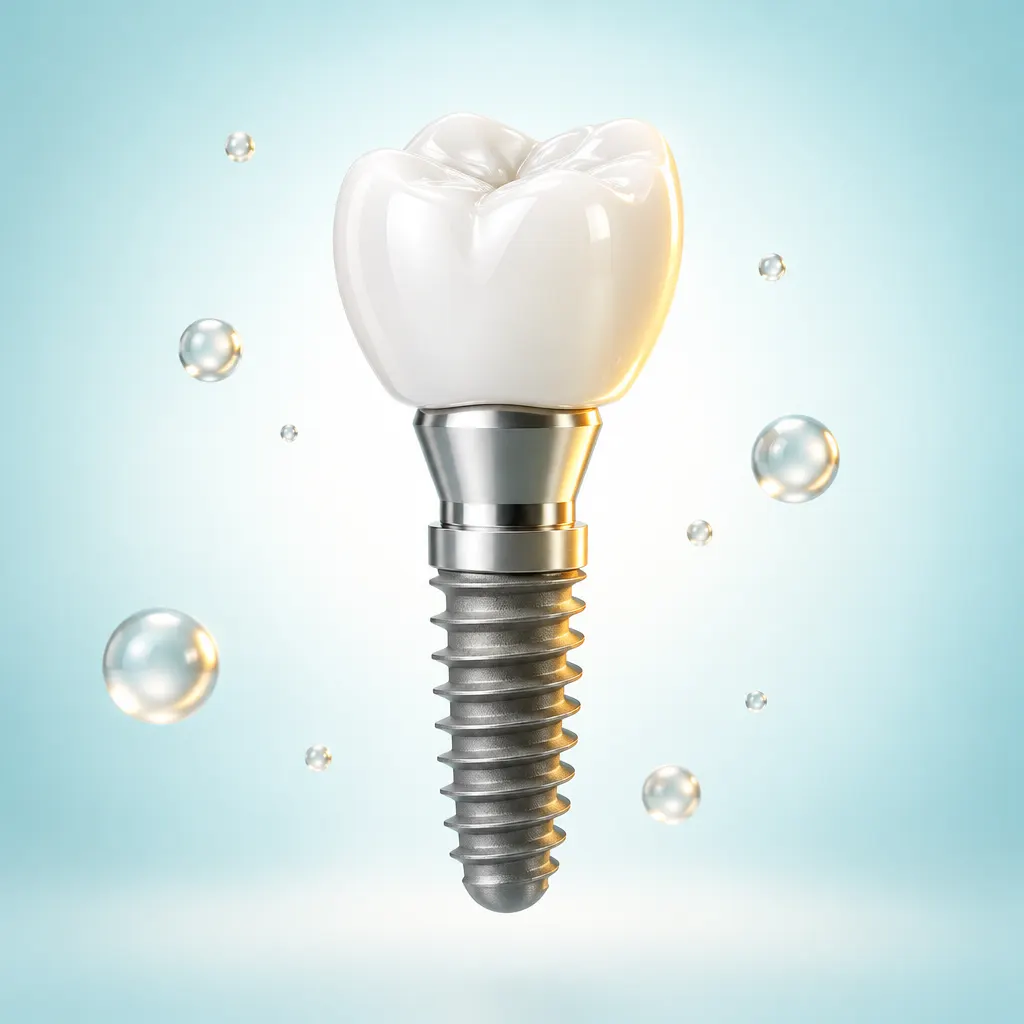
A dry mouth affects how well crowns, bridges, implants and dentures do over time. Decay at the edge of a crown is harder to spot and to fix than decay on a natural tooth. Dentures need saliva to grip. Implants need very good plaque control, which is harder when the mouth is dry. None of this rules treatment out, but it should shape the plan. Simpler, easy-to-clean work is often a better choice, and regular check-ups at home matter even more.
This is one reason we ask every patient about their medicines and health before planning treatment.
How we take dry mouth into account at Precious Dental
When you contact us for a free treatment plan, tell us if your mouth is often dry and list your medicines. Our dentists use this when deciding what to suggest. For a patient with a dry mouth, we may recommend fewer crowns and more emphasis on keeping natural teeth healthy, or explain why an implant-supported option may be more comfortable than a loose denture. Gum health is checked first, as described on our gum treatment page. If implants are an option, our implants page explains the planning. We also give clear cleaning advice before you go home, and your written plan sets out any follow-up care you will need with a dentist in the UK. Our FAQ covers what to send us.
Sources
- NHS: Dry mouth
- Oral Health Foundation: Dry mouth
- Villa A et al. Diagnosis and management of xerostomia and hyposalivation. Ther Clin Risk Manag 2015
- Barbe AG. Medication-Induced Xerostomia and Hyposalivation in the Elderly: Culprits, Complications, and Management. Drugs Aging 2018
- NHS: Sjögren's syndrome
Checked October 2026. Where we give our own view as a clinic, we say so.
Common questions
Should I stop a medicine that is giving me a dry mouth?
No, not without speaking to your GP or pharmacist first. Many of these medicines are important. Your GP may be able to change the dose, the timing or the medicine, and a pharmacist can say whether a medicine is a likely cause.
Is dry mouth just part of getting older?
Not really. Healthy older adults usually make enough saliva. Dry mouth in later life is mostly linked to medicines and health conditions, which become more common with age.
Which mouthwash is best for a dry mouth?
Choose an alcohol-free mouthwash, as alcohol can dry the mouth further. Some products are made specifically for dry mouth. Use mouthwash at a different time from brushing so it does not rinse away the fluoride from your toothpaste.
Can I have implants or dentures if I have a dry mouth?
Often yes, but it needs careful planning and good aftercare. A dry mouth makes dentures rub and makes plaque harder to control around implants and crowns. Tell the dentist about it, and about your medicines, before any plan is made. Our FAQ covers what to send us.
When should I see someone about a dry mouth?
The NHS advises seeing a GP if dry mouth lasts more than a few weeks or you have other symptoms such as dry eyes, a burning feeling in the mouth or trouble swallowing. See a dentist if you notice new decay, sore gums or problems with dentures.
Ask a Turkish dentist for a free written plan
Phone photos of your smile or an old X-ray are enough. You get the treatment, the implant brand and the price in pounds on paper, with no obligation to book.