Dental bridges in Turkey: filling a gap with the teeth beside it
A bridge closes a gap without surgery, using the teeth either side as support. In the right mouth it is a quicker and simpler answer than an implant.
 Checked for accuracy by Dt. Hüseyin Yavuz Özbek, our implant surgeon · Last updated October 2026
A dental bridge replaces one or more missing teeth with a false tooth fixed to the natural teeth beside the gap, either with crowns (a conventional bridge) or a bonded wing (an adhesive or Maryland bridge). At our Turkish dental clinic a tooth-supported bridge is usually done in one trip. Zirconia crowns and bridge units are priced per tooth at £150, the full price is in your written plan, and bridges carry a 5-year written guarantee.
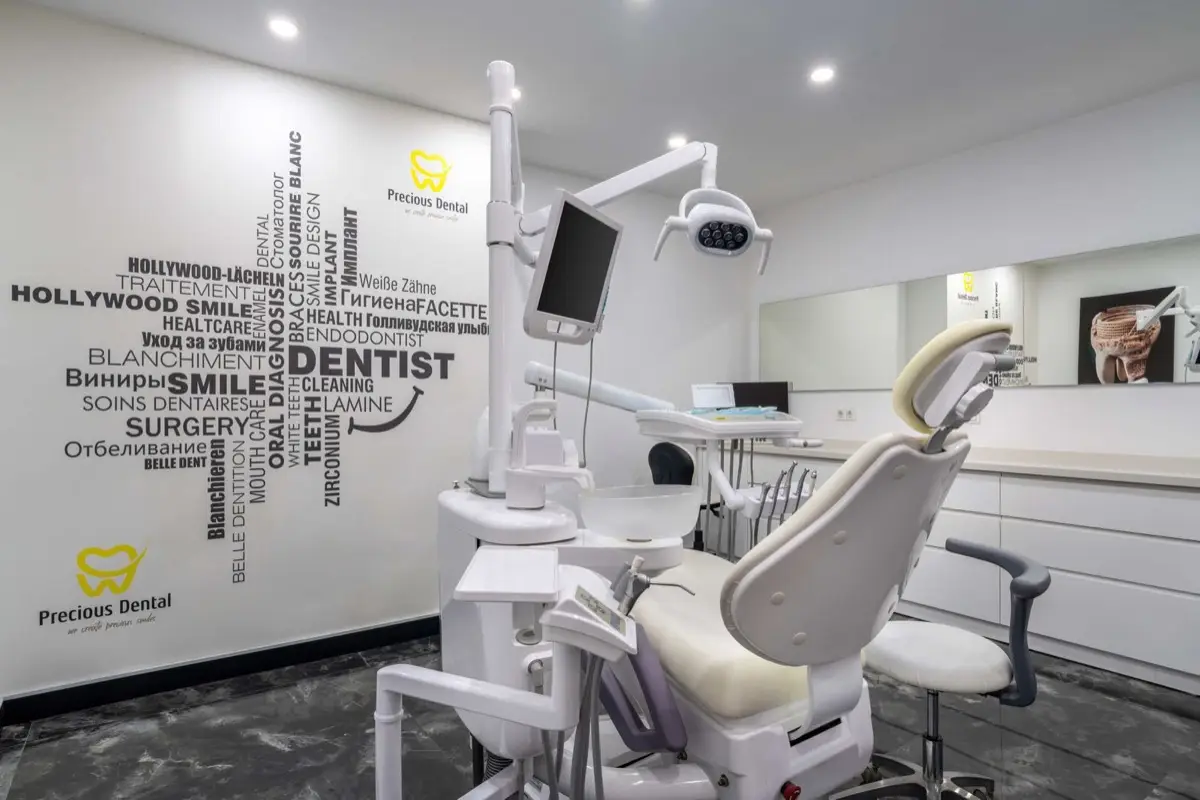
A dental bridge is often the most sensible way to close a gap, and it is easy to overlook now that implants get so much attention. At our Turkish dental clinic in Antalya we fit tooth-supported bridges for UK patients who want a fixed tooth in one trip, without surgery. We also tell people when a bridge is the wrong choice for their mouth. This page covers the two main types, how to decide between a bridge and an implant, how to keep a bridge clean, and how the price is worked out.
How a tooth-supported bridge works
A bridge has a false tooth, called a pontic, that sits in the gap and rests lightly on the gum. It is joined to the teeth beside the gap, which carry the chewing load for it. Those supporting teeth are called abutments. Because the pontic has no root, everything depends on how strong the abutments are.
At our clinic, conventional bridges are made in zirconia, a strong metal-free ceramic, designed on screen from a digital scan and milled as one piece. Porcelain on metal is generally not used here now.
Conventional and adhesive bridges
| Conventional bridge | Adhesive (Maryland) bridge | |
|---|---|---|
| How it is held | Crowns on the teeth either side of the gap | A thin wing bonded to the back of a neighbouring tooth |
| Drilling | The supporting teeth are shaped for crowns | Little or none |
| Best for | Gaps where the neighbours already have large fillings or crowns; back teeth | A single front tooth with healthy neighbours and a light bite |
| Main weakness | Healthy enamel is lost on the supporting teeth | The wing can come unstuck, though it can often be re-bonded |
A conventional bridge for one missing tooth is usually three units: a crown on each side and the pontic in the middle. It is the stronger design and the one most people need for back teeth.
An adhesive bridge is gentler on the neighbouring tooth. A systematic review of resin-bonded bridges followed for at least five years found good survival, with debonding as the most common problem. They suit a narrow range of cases, mainly front teeth, and the dentist will say whether yours is one.
When a bridge beats an implant
Neither option is right every time. A bridge often comes out ahead when:
- the teeth beside the gap already have big fillings, cracks or old crowns, so crowning them helps them anyway
- there is not enough bone for an implant and you would rather avoid a bone graft
- a medical condition or medicine makes implant surgery less suitable, which your doctor can advise on
- you want the gap filled in one trip rather than two, months apart
An implant usually wins when the teeth beside the gap are healthy and have never been filled. Crowning two good teeth to replace one means losing enamel that never grows back. An implant stands on its own and leaves them alone, and it also keeps some load on the bone where the tooth was. That is our usual advice in that situation, in line with our preference for keeping healthy teeth rather than crowning them. Read about dental implants to compare, or the implant bridge page if several teeth in a row are missing.
A bridge is also not for you if the supporting teeth have weak roots, active decay or gum disease that has not been treated. Those must be sorted first, or the bridge inherits the problem.
Your trip, step by step
- X-ray from home. Send a recent X-ray or clear photos by WhatsApp or the form. A dentist replies with a written plan and an itemised price.
- Examination. At the clinic, the supporting teeth and their roots are checked on X-ray and the 3D scan. The final plan is confirmed in writing.
- Preparation. Under local anaesthetic, the supporting teeth are shaped and scanned. You wear a temporary bridge.
- Laboratory days. The bridge is designed and milled from the scan.
- Try-in. Fit, bite and shade are checked, and adjusted if needed.
- Fitting. The bridge is cemented or bonded, the bite is checked again and you are shown how to clean under it.
A tooth-supported bridge is one trip. When your plan is zirconia work, 5 hotel nights are included, with airport and clinic transfers. Flights are not included. See your trip for travel details.
Cleaning under a pontic
This is the one new habit a bridge asks of you, and it matters more than anything else for how long the bridge lasts. Food and plaque gather in the small space between the pontic and the gum. Ordinary floss cannot pass through, because the units are joined.
- Floss threader: a loop of stiff plastic that pulls normal floss under the pontic so you can clean each side.
- Bridge floss: floss with a stiffened end and a spongy section, made for this job.
- Interdental brush: a small brush pushed under the pontic from the side. Many people find this the easiest.
Do this once a day, along with brushing twice a day at the gum line. Plaque left under a bridge causes decay and gum disease in the supporting teeth, and that is one of the main reasons bridges fail. Regular check-ups with a dentist and hygienist at home help catch problems early.
How long does a bridge last?
A large review of tooth-supported bridges found most were still in place after five years, with zirconia and metal-ceramic bridges both performing well. When bridges did fail, problems in the supporting teeth were often the cause rather than the bridge itself: decay at the crown edge, gum disease or a cracked root. Many of the zirconia bridges studied had a layer of porcelain on top that could chip. Our bridges are usually made in solid zirconia, which has no separate layer to chip, although the material can still break under very heavy loads.
In practice, the way you care for the supporting teeth decides much of the answer. A well-cleaned bridge on healthy teeth can last many years.
Risks and honest limits
- Enamel loss. Teeth prepared for a conventional bridge will always need crowns.
- Linked fate. If one supporting tooth fails, the whole bridge is affected.
- Bone shrinks under the gap. Over the years a small space can appear under the pontic.
- Nerve reaction. A supporting tooth may occasionally need root canal treatment later.
- Debonding. Adhesive bridges can come loose and need re-bonding.
Price and guarantee
Bridges vary in length and design, so there is no single bridge price. Zirconia crowns and bridge units are priced per tooth at £150, and your written plan lists every unit, so a three-unit bridge appears as three lines. Adhesive bridges are priced in your written plan. All our figures are on prices.
Bridges carry a 5-year written guarantee. Conditions apply, such as check-ups, cleaning under the bridge and a night guard for grinders, and they are in the written terms on our guarantee page.
Sources
- Oral Health Foundation: Bridges
- Sailer I et al. (2015) All-ceramic or metal-ceramic tooth-supported fixed dental prostheses? Part II: Multiple-unit FDPs. Dent Mater
- Thoma DS et al. (2017) Survival and complication rates of resin-bonded fixed dental prostheses after at least 5 years. Clin Oral Implants Res
- Oral Health Foundation: Dental implants
Checked October 2026. Where we give our own view as a clinic, we say so.
What this means for you
No surgery
A tooth-supported bridge needs no implant, no bone graft and no healing time in the jaw.
One trip
The gap is usually closed in a single stay, rather than two trips months apart.
Helps weak neighbours
If the teeth beside the gap already have big fillings or old crowns, the bridge crowns protect them too.
Fixed in place
Unlike a partial denture, a bridge is not taken out and has no clasps.
Real Precious Dental patients
Photographed at our clinic after treatment. Results vary from person to person.











- 1
Send photos or an X-ray
Message us on WhatsApp or use the form. A few phone photos of your teeth, or a recent X-ray, are enough to start.
- 2
Get a written plan and price
A dentist looks at your photos and replies with an itemised plan in pounds, including which implant brand and how many teeth.
- 3
Book flights that suit you
You choose the dates and book your own flights. We arrange the hotel and every transfer.
- 4
Scan, plan and treatment in Antalya
Your first visit starts with an examination and 3D scan. The final price is confirmed in writing before any treatment.
- 5
Fly home with your records
You leave with your X-rays and scans, an implant passport if you had implants, and a coordinator to message afterwards.
Common questions
Is a bridge or an implant better for one missing tooth?
If the teeth beside the gap are healthy and unfilled, an implant usually spares them. If they already need crowns, or you cannot have implant surgery, a bridge often makes more sense. The dentist looks at your X-ray before advising.
What is a Maryland bridge?
An adhesive bridge: a false tooth with a thin wing bonded to the back of a neighbouring tooth, with little or no drilling. It suits some front-tooth gaps with healthy neighbours and a gentle bite.
How many units is a bridge for one missing tooth?
A conventional bridge for one gap is usually three units: two crowns and the false tooth between them. Each zirconia unit is priced per tooth in your plan.
How do I clean under a bridge?
With a floss threader, special bridge floss or a small interdental brush passed under the false tooth once a day. We show you how before you leave.
Can a bridge be done if the gap is old?
Usually yes, if the supporting teeth are sound. If the gum under the gap has sunk a lot, the false tooth may need to be shaped longer, which the dentist will show you in the design.
What if I have three or more teeth missing in a row?
A long bridge on natural teeth puts a lot of load on them. An implant bridge is often the better option for longer gaps.
Related treatments
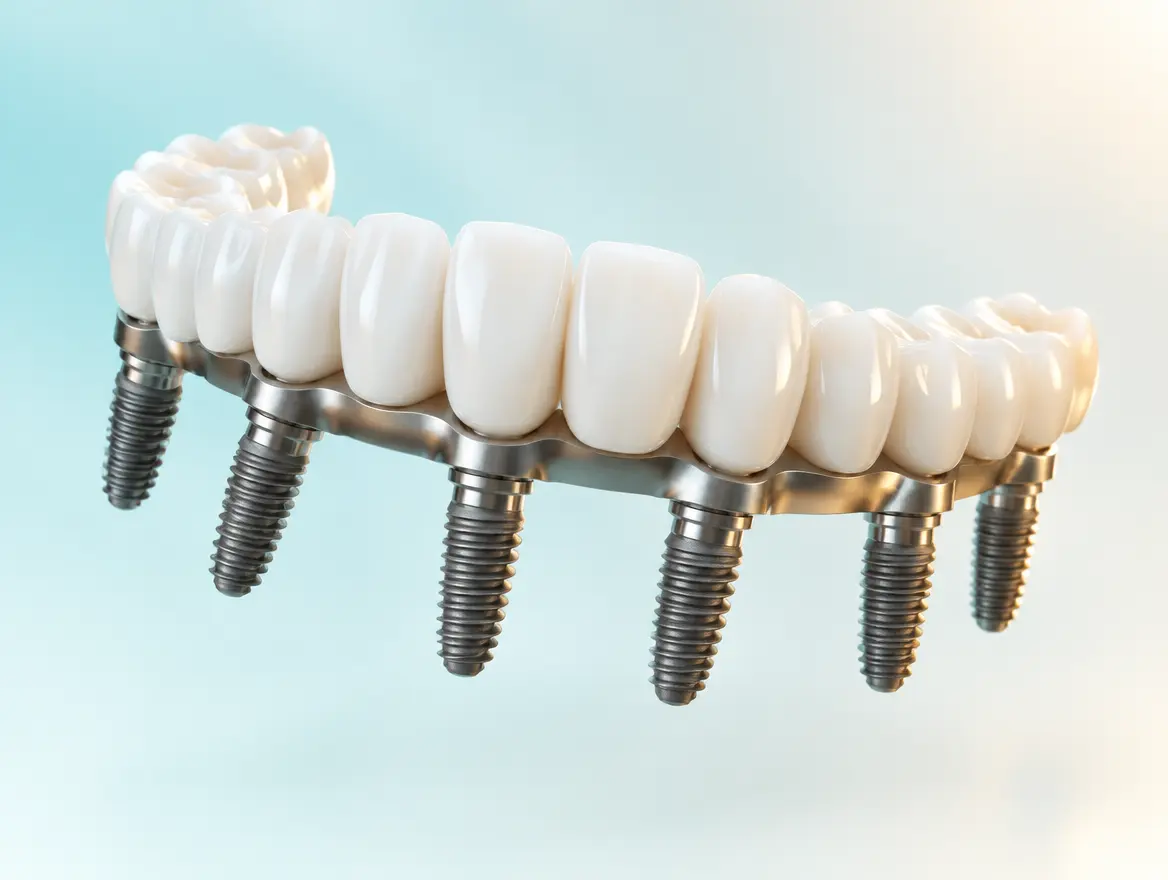
Implant bridge
Several teeth in a row replaced by a fixed bridge on two or more implants.
Find out more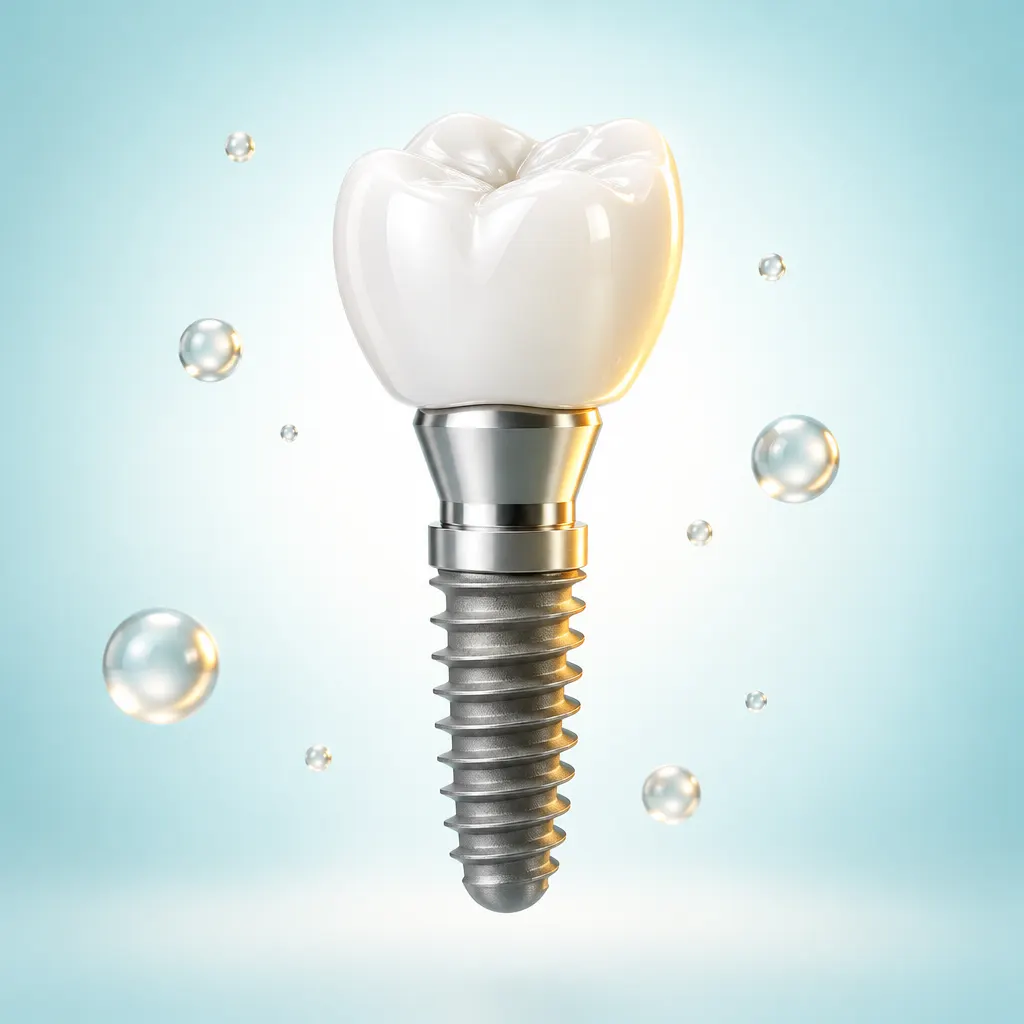
Turkish dental implants
MegaGen, Neodent or Straumann at one price, planned on a 3D scan, two trips.
Find out more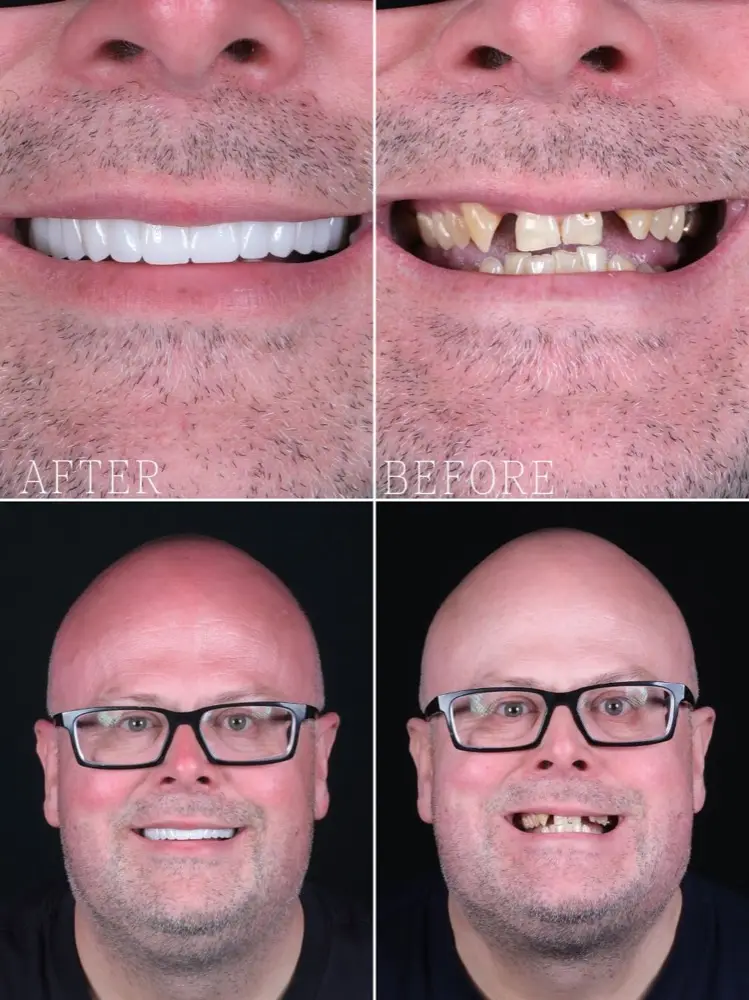
Full mouth crowns
A full set of zirconia crowns, counted tooth by tooth, in one 5-night trip.
Find out moreGet your free treatment plan
Send a few photos or an X-ray. A dentist replies with a written, itemised plan in pounds before you book anything.
Prefer to talk? Message a patient coordinator on WhatsApp.
WhatsApp +44 7575 589099 info@dentprecious.com- Written plan in pounds, brand named
- Final price fixed after your 3D scan
- Your details used only to reply to you