Sedation dentistry in Turkey: options for nervous patients
Plenty of people who contact our Turkish dental clinic have avoided dentists for years because of fear. You can tell us that from the first message, and we plan around it.
 Checked for accuracy by Dt. Hüseyin Yavuz Özbek, our implant surgeon · Last updated October 2026
At Precious Dental in Antalya, every treatment is done with local anaesthetic, and nervous patients can also ask for IV sedation or general anaesthesia, given and monitored by an anaesthetist. We check your health history and medicines first, and you need someone to accompany you back to the hotel afterwards. Sedation is often used for long surgical work such as full-arch implants. Whether it is suitable for you, and its cost, are confirmed in your written plan.
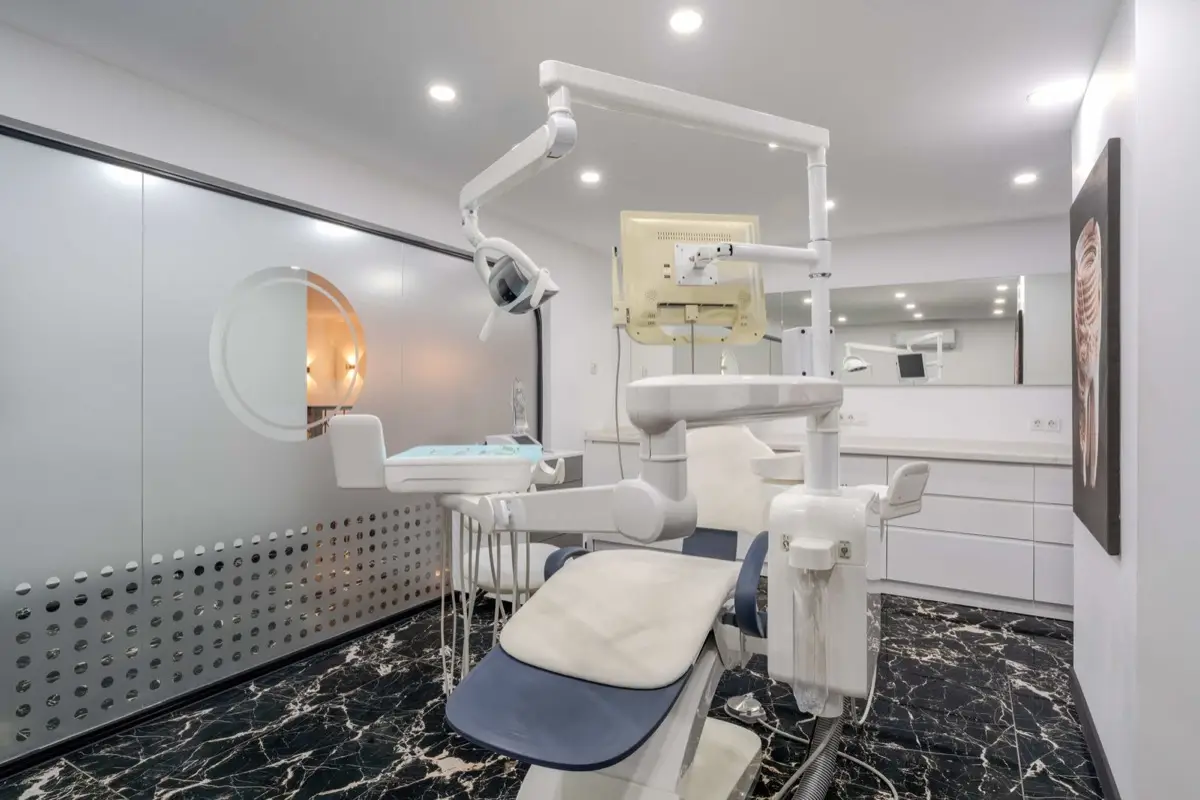
Sedation dentistry in Turkey is something many of our patients ask about before anything else. Some had a painful experience as children. Some gag easily, or cannot bear the sound of the drill. Some are simply embarrassed about the state of their teeth after years away from a dentist. If you are a nervous patient looking for a dentist in Turkey, the first thing to know is that you can say so at the start, and it will change how your treatment is planned at our clinic in Antalya.
The options we offer
There are three levels of help, and many people need only the first.
| Option | How you feel | Who gives it | Often used for |
|---|---|---|---|
| Local anaesthetic | Awake and aware; the area is numb | Your dentist | All treatment, including with sedation |
| IV sedation | Deeply relaxed and drowsy, breathing on your own; often little memory afterwards | An anaesthetist, who monitors you throughout | Strong fear, a strong gag reflex, long surgical work |
| General anaesthesia | Fully asleep | An anaesthetist | Cases the anaesthetist and dentist agree need it |
IV sedation means the medicine goes in through a small cannula, usually in the back of the hand or arm. Sedation and general anaesthesia at our clinic are given and monitored by an anaesthetist, not by the dentist doing the treatment. Those are the options we publish. If you have read about other kinds of sedation elsewhere, ask us directly and we will tell you what we can and cannot offer.
Local anaesthetic is still the base
Sedation does not numb the tooth. Local anaesthetic does that, and it is used for every procedure at our clinic, with or without sedation. If injections have failed to work for you in the past, tell the dentist. They can wait longer, add more, and check the area is numb before they start. Many people who fear the injection find it far less unpleasant than they remember, and under IV sedation most do not notice it.
When sedation makes sense, and when it does not
Sedation is most useful for long surgical appointments, such as full-arch implant work or several extractions in one session, and for anyone who has tried and simply could not stay in the chair. A strong gag reflex is another good reason.
It is not always the right answer. Some people are not suitable because of their health, and the anaesthetist may advise against it. For a short appointment, such as a scan or fitting crowns, the time it takes to recover can outweigh the benefit. Sedation also does not shorten the healing time of the work itself. It helps you through the appointment, and that is all it does. See full mouth implants and tooth extraction for the treatments where we see it used most.
Breaks, signals and other ways we help
Without sedation, a few simple arrangements make a real difference, and we agree them before we begin:
- A stop signal. Usually raising your left hand. The dentist pauses whenever you use it.
- Planned breaks. Longer work can be split across shorter sessions on different days, or broken up with rests.
- Explaining, or not. Some people want every step described. Others prefer silence. Say which you prefer.
- Headphones. Music or an audiobook covers the sound of the instruments.
- Digital scans. We use an intraoral scanner for records, which helps people who gag on impression putty.
- Someone with you. Many patients travel with a partner or friend, who can sit in the waiting area.
Our English-speaking coordinators are on WhatsApp throughout your stay, so a worry at night can be answered rather than lying awake with it.
If your fear goes beyond nerves
A few people feel something stronger than nerves: a racing heart at the thought of a waiting room, or years of cancelled appointments. That can be a true phobia. NHS guidance on phobias points to treatments that work, including talking therapy with a trained therapist, and your GP is the usual way in. Starting that well ahead of a trip gives it time to help, and it can sit alongside sedation rather than replace it.
The first step with us does not involve a dentist's chair. You can send photos and an X-ray from home, tell us what worries you, and read a written plan at your own pace. Nothing is booked or paid until you decide. Many patients find that knowing exactly which teeth will be treated, on which day and for how long takes away much of the dread. Nobody here will lecture you about the years you stayed away. You can also read what other patients say on our reviews page.
What to tell us about your health and medicines
The anaesthetist needs a complete picture to decide whether sedation is safe for you and how to give it. Please include on your medical form, honestly and in full:
- heart or lung problems, high blood pressure, sleep apnoea or snoring heavily
- diabetes, kidney or liver problems
- all medicines, including blood thinners, sleeping tablets, antidepressants and painkillers
- any previous reaction to an anaesthetic or sedation
- alcohol and recreational drug use, and whether you smoke
- pregnancy, or the chance of it
We check your health history before the day and give you instructions to follow beforehand, such as when to stop eating and drinking. Follow them exactly. If something changes before your trip, such as a new medicine or a chest infection, tell us. It may mean changing the day, which is better than going ahead when it is not safe.
How the day works
- Before you travel. Mention sedation in your first message. It is written into your plan and treatment days are arranged around it.
- Medical review. In Antalya the anaesthetist goes through your health history and confirms whether sedation is suitable.
- Sedation and treatment. The anaesthetist gives the sedation and monitors you throughout while the dentist works under local anaesthetic.
- Recovery. You stay resting at the clinic, watched by the team, until the anaesthetist is happy for you to go.
- Back to the hotel. Our driver takes you, and an adult must go with you and stay with you.
Travelling after sedation
Sedative medicines affect judgement and balance for longer than you feel them. For the rest of that day, do not drive, drink alcohol, sign anything important or look after anyone else alone. The anaesthetist gives you exact times. Most people feel back to normal the next day.
Do not plan to fly on the day of sedation. Your written plan should leave a gap between your last sedated appointment and your flight; check it with us when you book. Implant trips are usually 4 hotel nights on the first visit and 5 on the second, and crown trips 5 nights, which normally gives room. Transfers are included; flights are not.
Cost
Sedation and general anaesthesia are priced in your written plan, shown as their own line, after the dentist and anaesthetist know what treatment you need. The dental work keeps its published price: an implant is £300, and All-on-4 £6,000 for both jaws. Our guarantee covers the dental work, not the sedation. See prices for everything else.
Sources
- Oral Health Foundation: Fear of the dentist
- NHS: General anaesthesia
- Royal College of Surgeons of England (IACSD): Standards for conscious sedation in the provision of dental care
- NHS: Phobias
Checked October 2026. Where we give our own view as a clinic, we say so.
What this means for you
A specialist at your side
Sedation and general anaesthesia are given by an anaesthetist, so the dentist can concentrate on the dentistry.
Long work feels shorter
For full-arch implants or several extractions, sedation can make a long appointment pass in what feels like a short time.
Less to remember
Many people recall very little of treatment under IV sedation, which helps those whose fear is about the experience itself.
You stay in control
Without sedation, we agree a stop signal and planned breaks before we start, and keep to them.
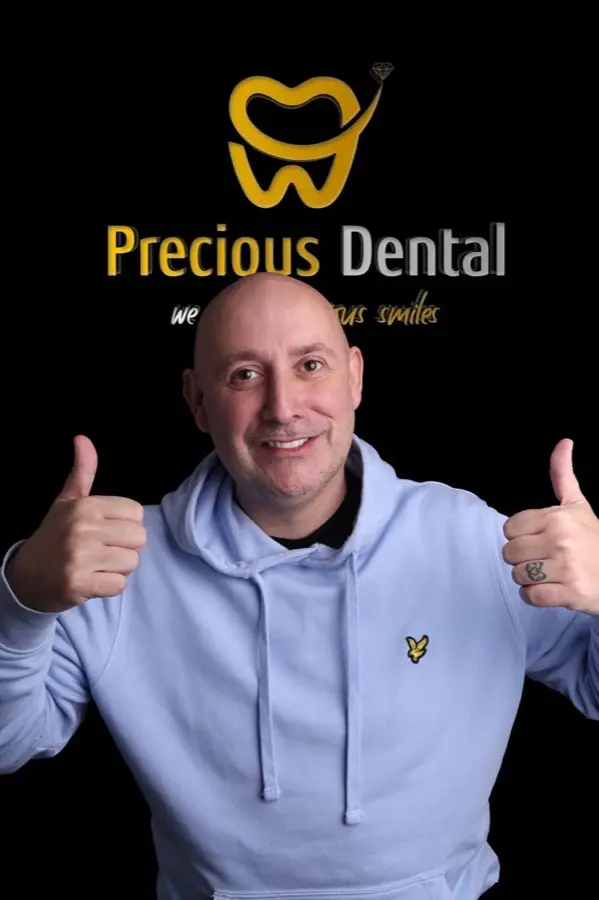
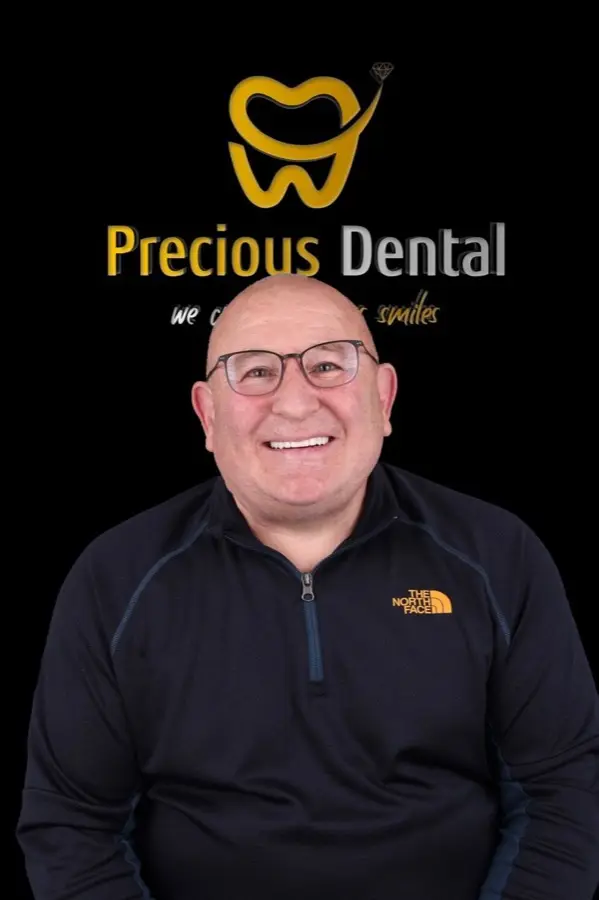
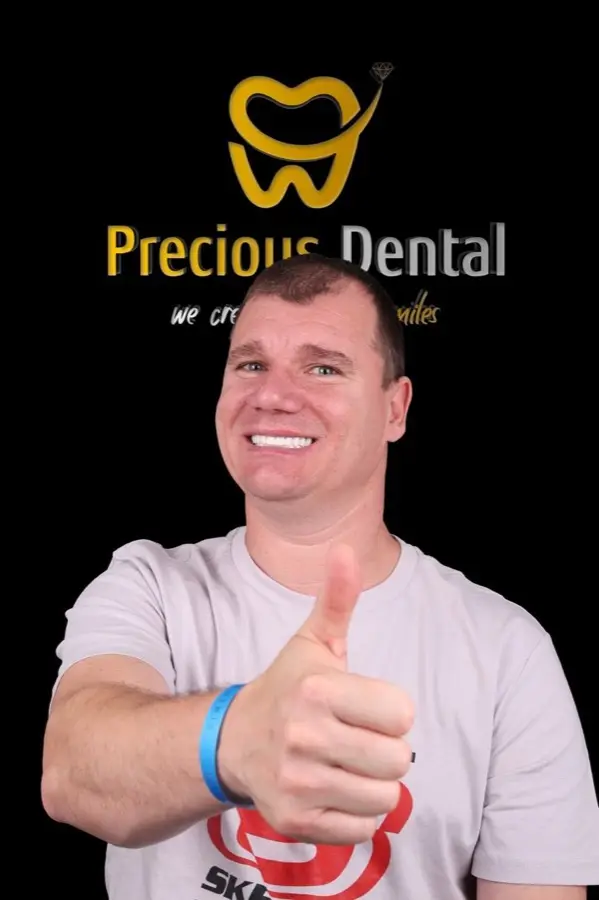
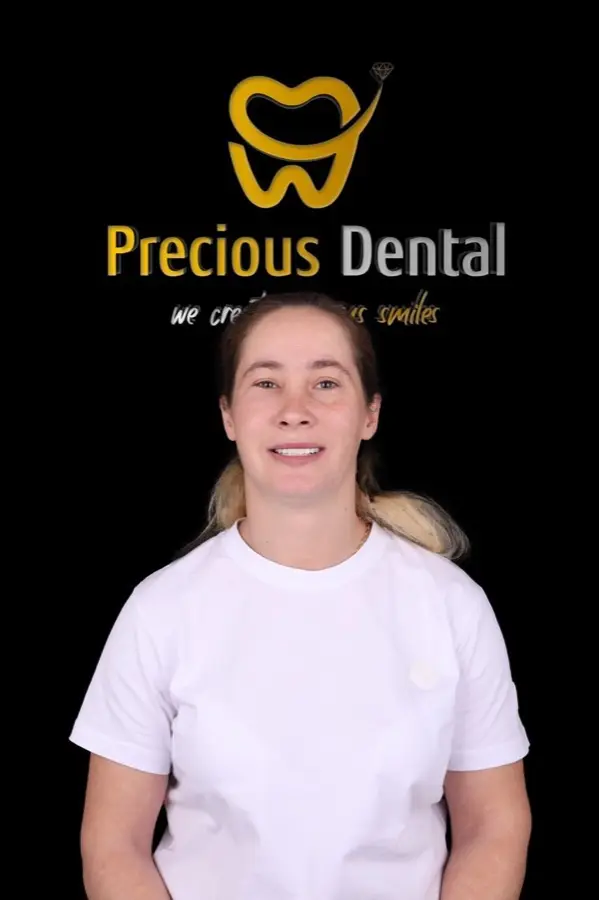
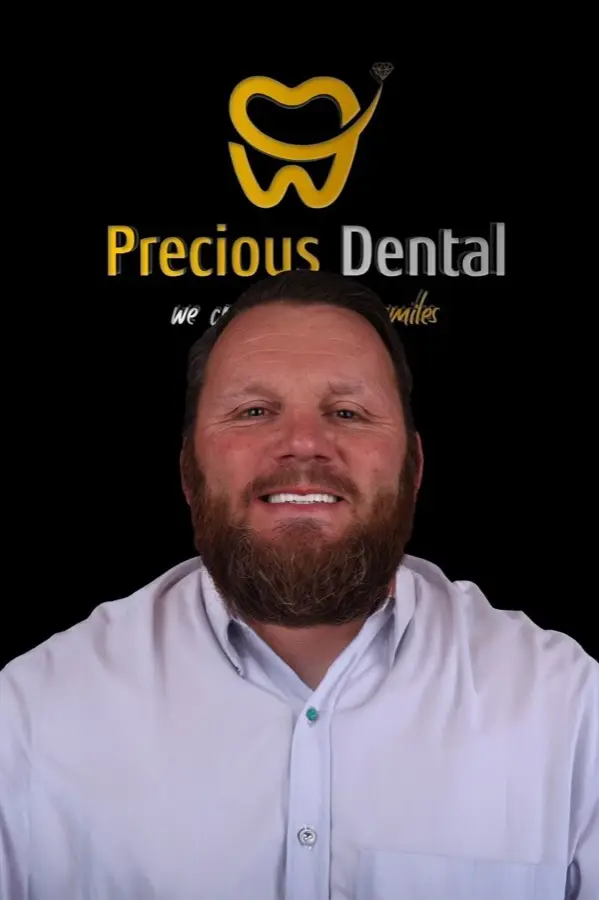
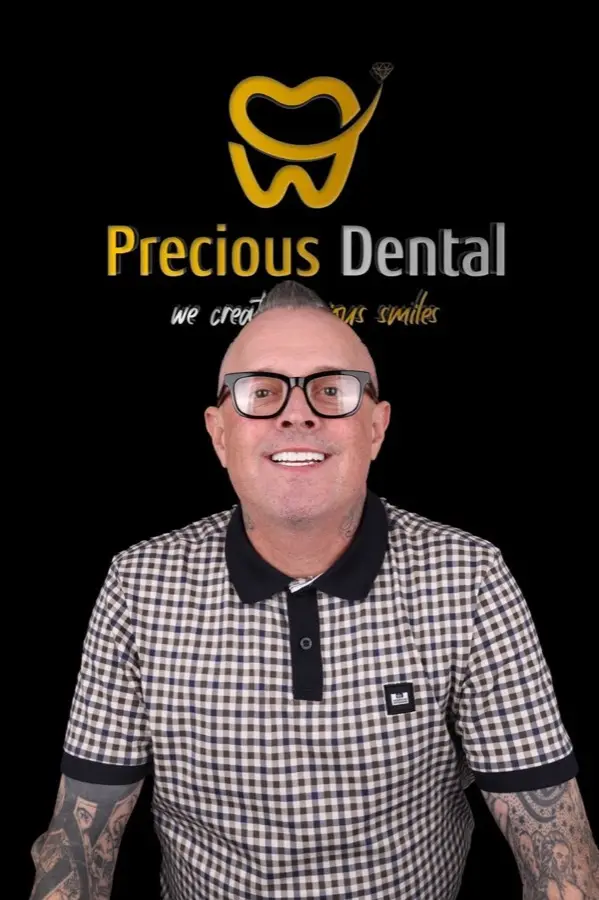
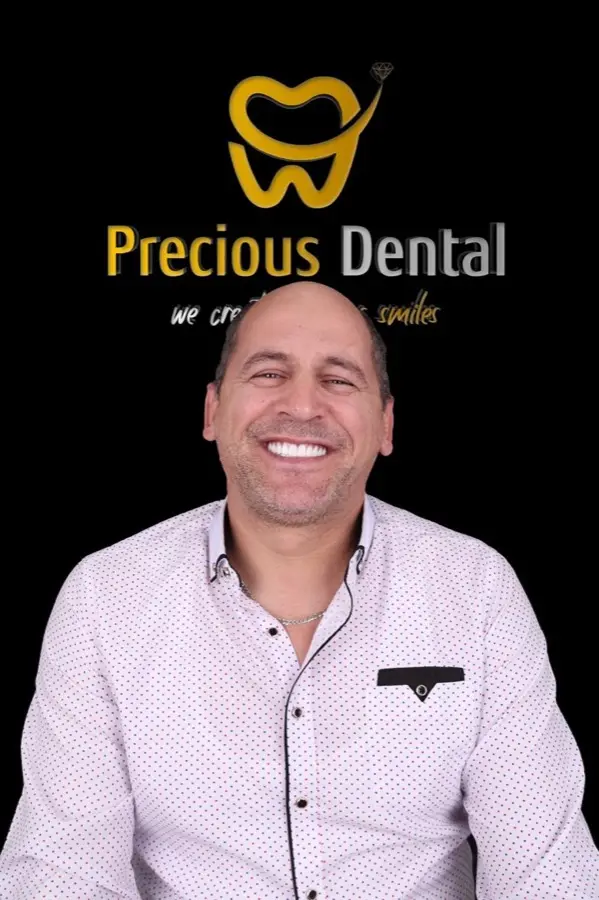
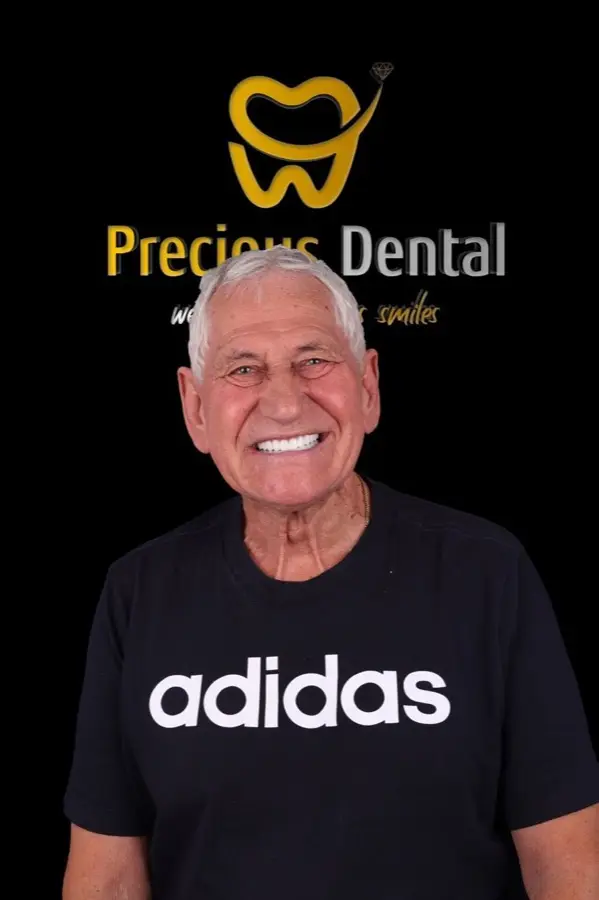
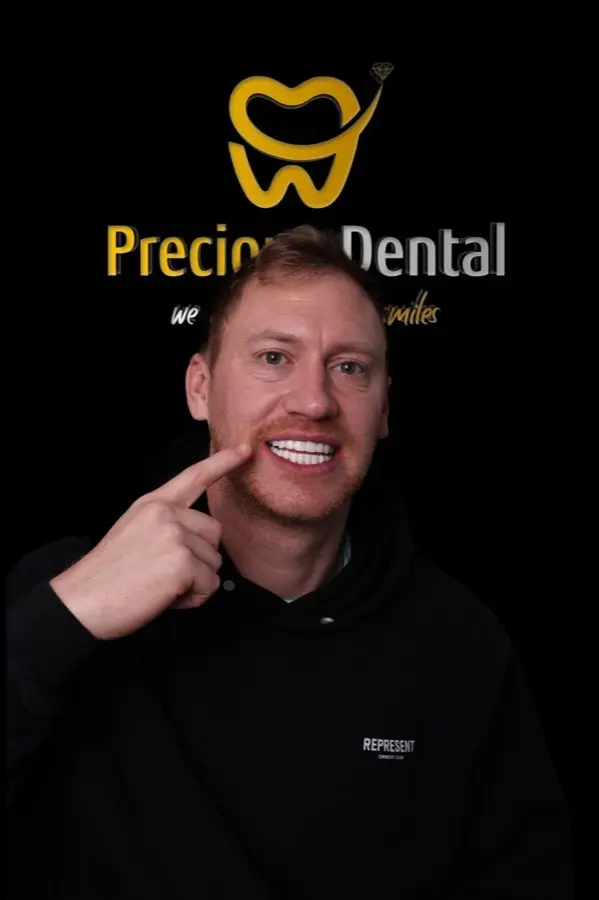
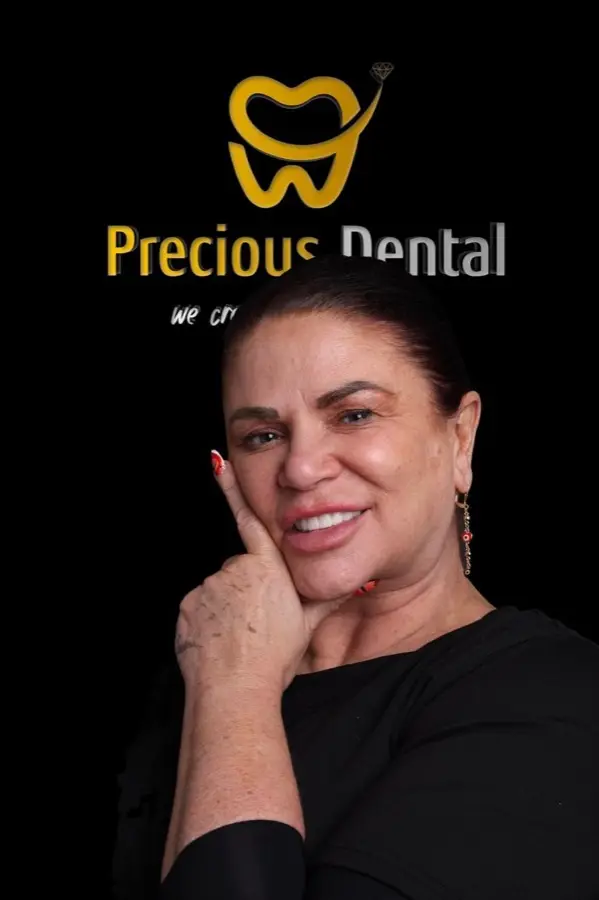
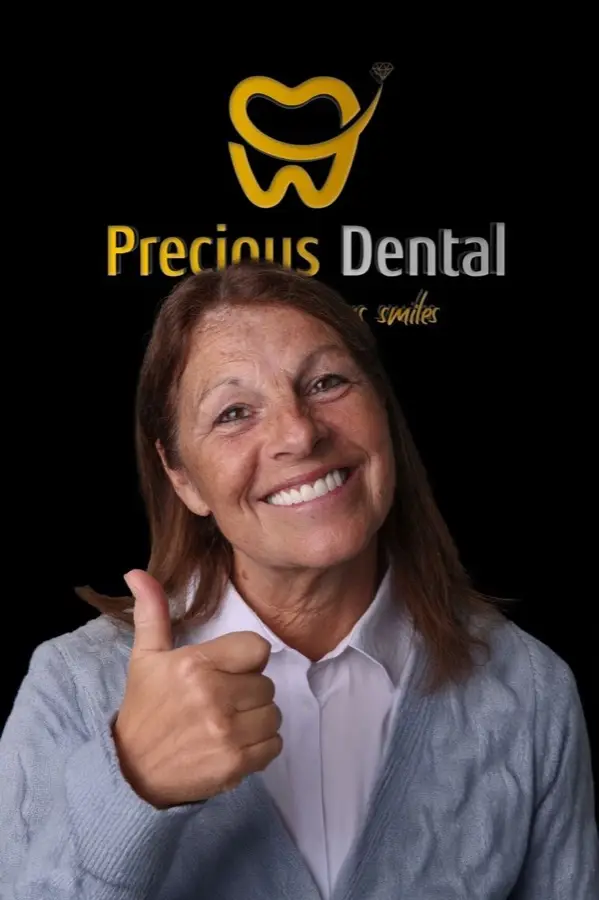
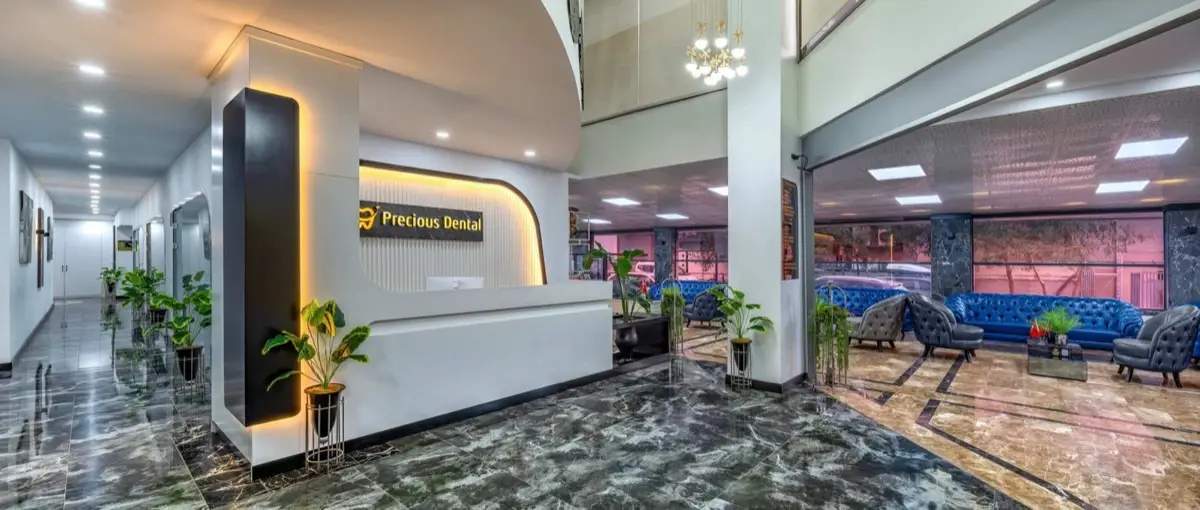
Real Precious Dental patients
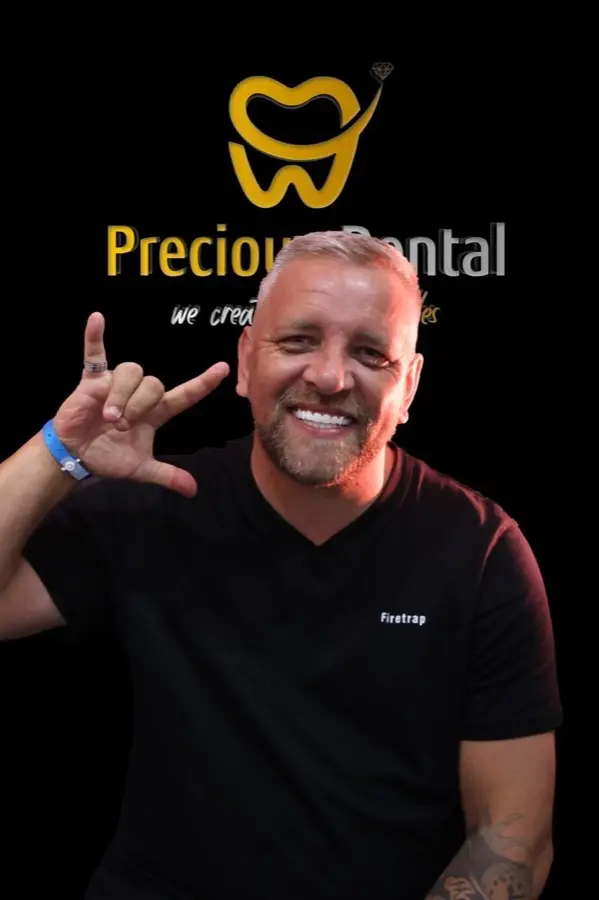
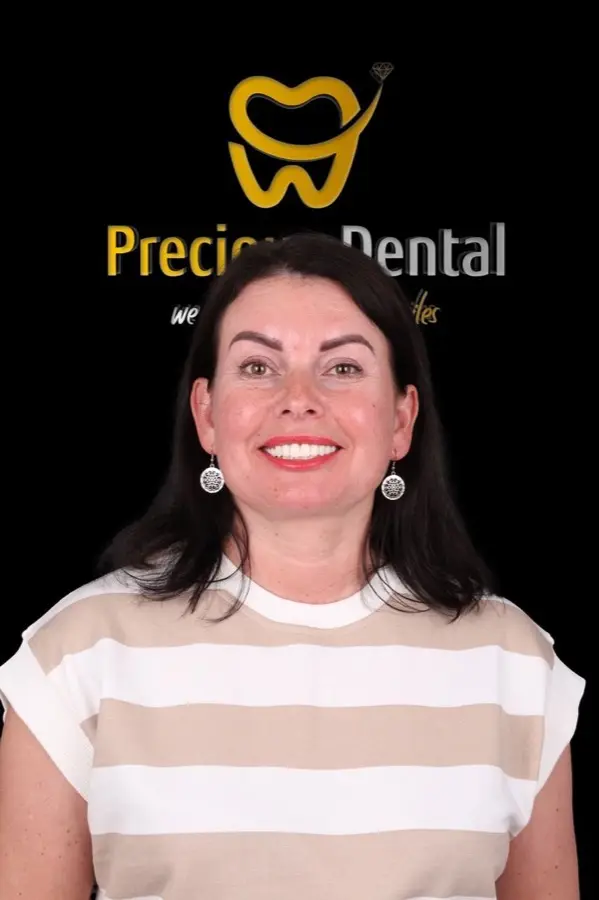
Photographed at our clinic after treatment. Results vary from person to person.

- 1
Send photos or an X-ray
Message us on WhatsApp or use the form. A few phone photos of your teeth, or a recent X-ray, are enough to start.
- 2
Get a written plan and price
A dentist looks at your photos and replies with an itemised plan in pounds, including which implant brand and how many teeth.
- 3
Book flights that suit you
You choose the dates and book your own flights. We arrange the hotel and every transfer.
- 4
Scan, plan and treatment in Antalya
Your first visit starts with an examination and 3D scan. The final price is confirmed in writing before any treatment.
- 5
Fly home with your records
You leave with your X-rays and scans, an implant passport if you had implants, and a coordinator to message afterwards.
Common questions
Is sedation safe?
When it is given by a qualified anaesthetist with proper monitoring and after a review of your medical history, it is a routine part of dental care. No anaesthetic is free of risk, which is why the health check comes first and why we may advise against it for some people.
Will I be asleep?
With IV sedation you are deeply relaxed and drowsy but still breathing on your own, and you can usually respond. With general anaesthesia you are fully asleep. The anaesthetist explains which applies to you.
Do I still need an injection in the gum?
Usually yes. Sedation calms you and local anaesthetic numbs the tooth. Under IV sedation most people do not notice or remember the injection.
Can I travel to Antalya alone if I want sedation?
You can travel alone, but someone must accompany you back to the hotel after sedation. Your coordinator can help arrange this, so ask when you book.
Can I fly home the day after sedation?
Do not plan to fly on the same day. Ask the anaesthetist when it is safe for you. Your plan should leave time between sedation and your flight.
I am scared but do not want sedation. What else helps?
Tell us what frightens you, agree a stop signal, ask for shorter sessions with breaks and bring headphones. Many nervous patients manage well this way. See your trip for how the week is planned.
Related treatments
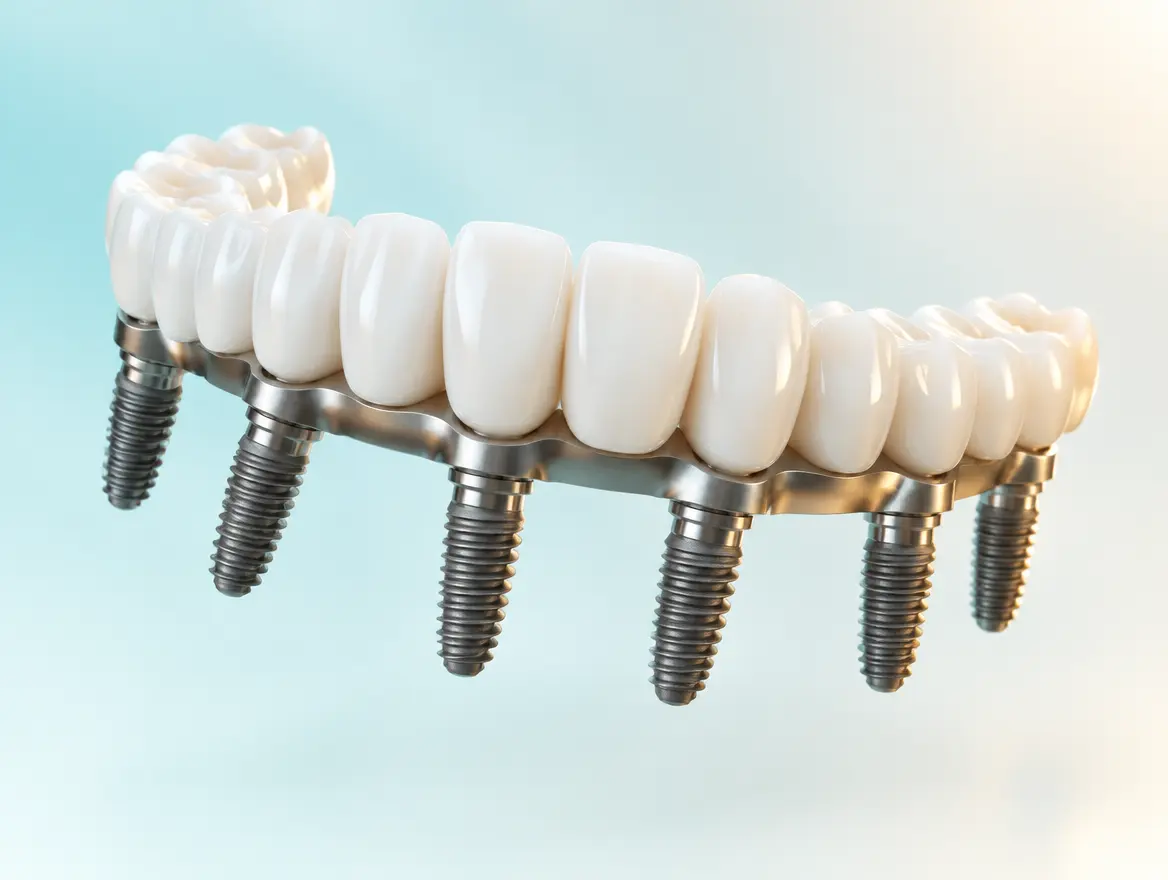
Full-mouth implants
Fixed teeth in both jaws on four or six implants each, chosen on your 3D scan.
Find out more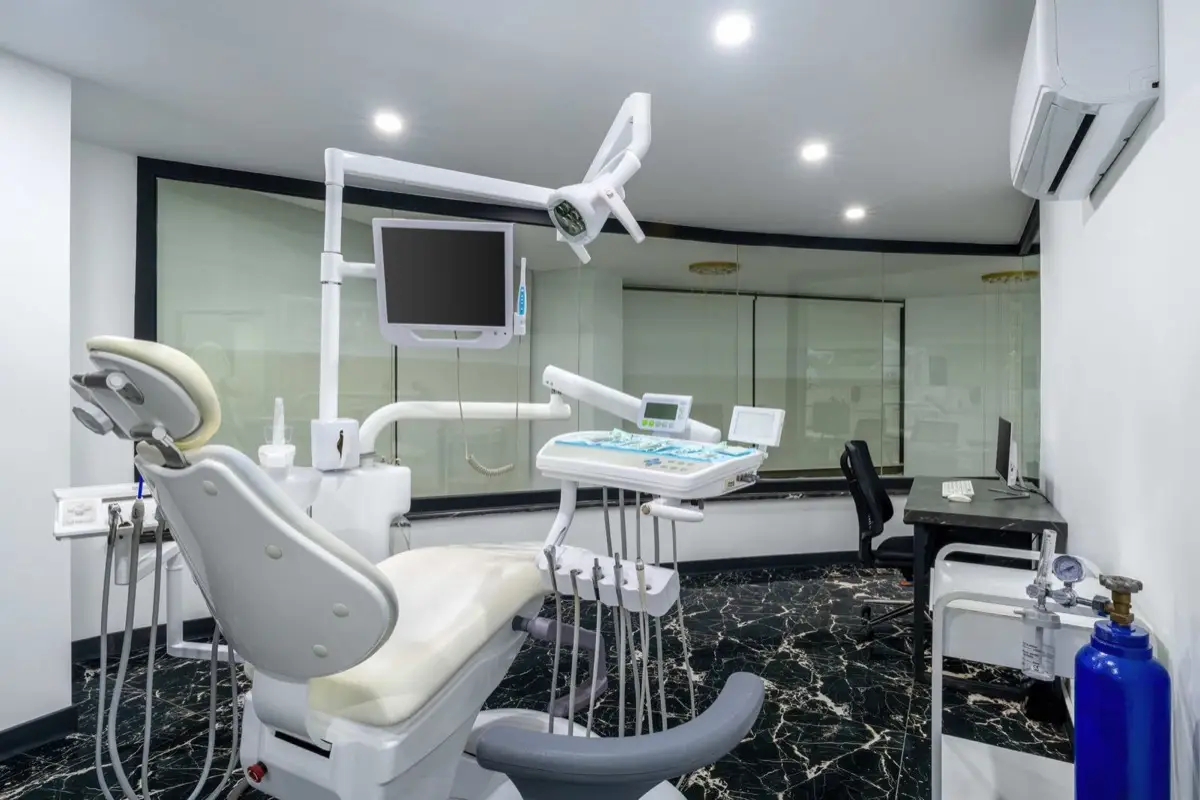
Tooth extraction
Free extractions as part of your plan, wisdom teeth included, planned on a 3D scan.
Find out more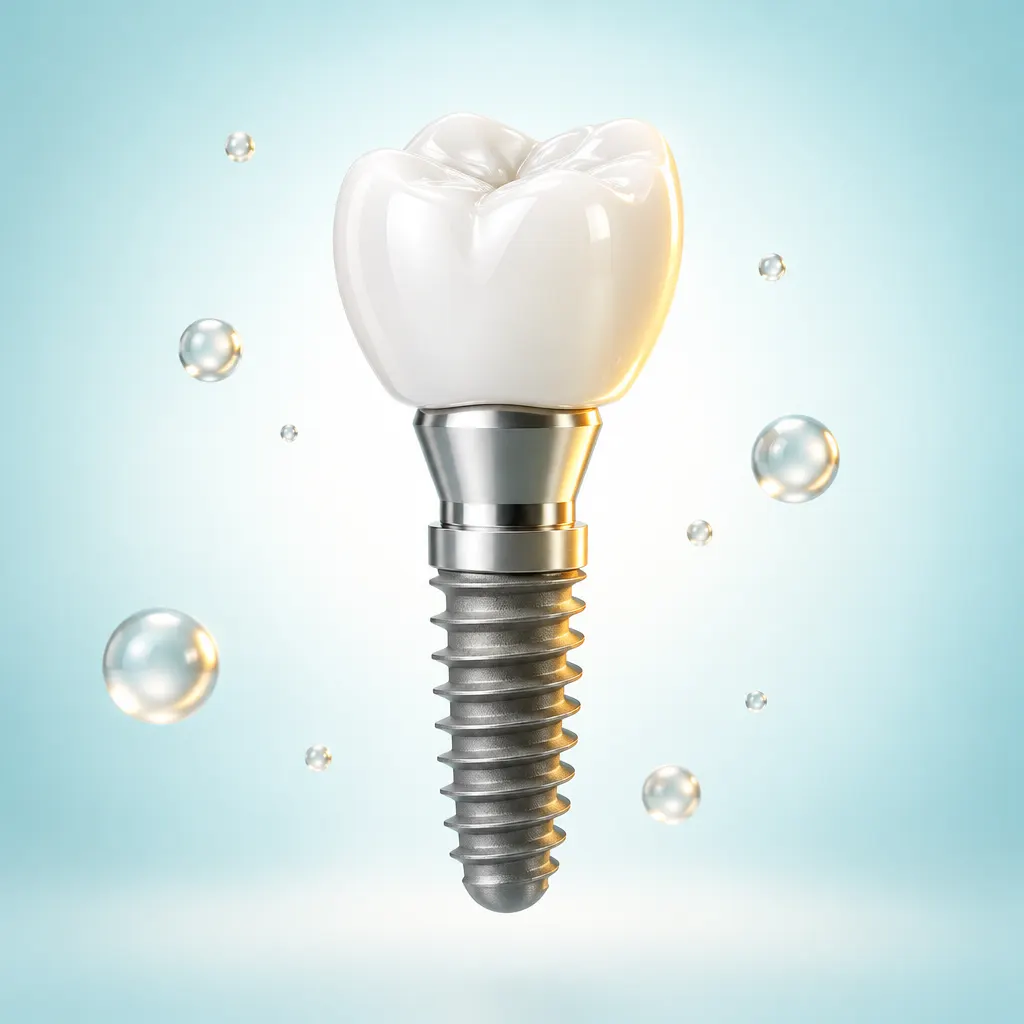
Turkish dental implants
MegaGen, Neodent or Straumann at one price, planned on a 3D scan, two trips.
Find out moreGet your free treatment plan
Send a few photos or an X-ray. A dentist replies with a written, itemised plan in pounds before you book anything.
Prefer to talk? Message a patient coordinator on WhatsApp.
WhatsApp +44 7575 589099 info@dentprecious.com- Written plan in pounds, brand named
- Final price fixed after your 3D scan
- Your details used only to reply to you