Eating well with missing teeth
When chewing gets harder, people quietly change what they eat. Those changes are understandable, but over months they can cut out some of the foods your body needs most.
 Checked for accuracy by Dt. Hüseyin Yavuz Özbek, our implant surgeon · Last updated October 2026
People with fewer teeth often eat less fresh fruit, raw vegetables, nuts and meat, and more soft, processed food. Studies link tooth loss in older adults with lower intake of fibre, protein and some vitamins, although they cannot show that teeth are the only cause. You can eat well with gaps by choosing soft forms of the same foods: cooked or blended vegetables, stewed fruit, fish, eggs, beans, minced meat and dairy. If you are losing weight without trying, see your GP.
Missing teeth change what people eat, often without them noticing. When biting into an apple or chewing a steak becomes awkward, it is natural to reach for softer food. The trouble is that the foods people drop first, such as raw fruit and vegetables, nuts, wholegrain bread and meat, are some of the most nourishing. The foods that replace them are often more processed, higher in sugar and lower in fibre and protein.
The good news is that you can eat well with gaps. Most nourishing foods have a soft form. This guide explains what research has found, what to watch for and how to keep your diet varied while you wait for treatment or decide whether you need it.
What studies have found
A well-known British study by Sheiham and colleagues, published in 2001, looked at older people taking part in the National Diet and Nutrition Survey. People with fewer natural teeth, and those without teeth, tended to eat less of several nutrients, including fibre and some vitamins, than people who still had many of their own teeth. Other studies in older adults have found similar patterns: lower intake of fruit and vegetables and of protein foods among people with chewing difficulty.
These are associations, and they need to be read with care. People who have lost many teeth are, on average, older and more likely to have lower incomes, other health problems or live alone. All of those affect diet too. So the studies cannot prove that missing teeth are the cause. What they do show is that chewing problems are common in older adults with poor diets, and chewing is one of the easier things to do something about.
Which nutrients are most at risk
| Nutrient | Why it matters | Foods often dropped | Softer sources |
|---|---|---|---|
| Fibre | Bowel health, blood sugar, cholesterol | Raw vegetables, apples, wholegrain bread, nuts | Porridge, lentil soup, cooked vegetables, beans, soft wholemeal bread |
| Protein | Keeping muscle strength in later life | Steak, chops, chicken on the bone | Fish, eggs, mince, slow-cooked meat, tofu, Greek yoghurt, cheese |
| Vitamin C | Gums, skin and wound healing | Raw fruit, salad | Ripe soft fruit, stewed fruit, tinned fruit in juice, soft-cooked peppers and tomatoes |
| Folate and B vitamins | Blood and nerve health | Leafy salads, some whole grains | Cooked spinach, broccoli tips, fortified cereals softened with milk |
| Calcium | Bones and teeth | Hard cheese, nuts | Milk, yoghurt, soft cheese, tinned salmon or sardines with mashed bones |
The UK Eatwell Guide still applies: plenty of fruit and vegetables, starchy foods (wholegrain where possible), some protein foods and dairy or alternatives, with only small amounts of sugary and fatty foods. The aim is to keep the balance the same and change the texture.
Signs your diet is slipping
Malnutrition in older adults is more common than many people think, and the NHS lists signs that should not be ignored:
- losing weight without trying, or clothes and rings becoming loose
- feeling tired all the time or weaker than usual
- eating noticeably less, or skipping meals because eating is a chore
- getting ill often or taking longer to heal
If any of these apply, see your GP. Weight loss has many possible causes, and teeth are only one of them. A GP can check for other reasons and refer you to a dietitian if needed.
Food ideas that work with gaps
Breakfast
Porridge made with milk, topped with mashed banana or stewed apple. Scrambled or poached eggs. Weetabix or similar cereal softened with milk. Natural yoghurt with soft fruit. Soft wholemeal bread with the crusts cut off, if crusts are the problem.
Lunch
Soups with lentils, beans or chicken, blended or with soft pieces. Jacket potato with tuna mayonnaise, baked beans or cottage cheese. Omelette with soft-cooked vegetables. Fish pie. Hummus with soft flatbread.
Dinner
Shepherd's pie or cottage pie. Slow-cooked stews and casseroles where the meat falls apart. Salmon or white fish with mashed potato and soft vegetables. Chilli or bolognese with mince. Dhal with rice. Pasta with a meat or vegetable sauce.
Snacks and puddings
Yoghurt, rice pudding, custard with stewed fruit, ripe pears, avocado, soft cheese. Keep sugary snacks to mealtimes, because sipping and snacking through the day gives teeth no rest from acid. Our post on sugar, snacking and tooth decay explains why frequency matters.
Practical chewing tips
- Cut food into small pieces and take smaller mouthfuls.
- Steam or roast vegetables until tender rather than eating them raw.
- Grate hard fruit such as apples, or slice them thinly.
- Choose cuts of meat that suit slow cooking, or use mince.
- Add sauces and gravy to keep food moist, which also helps with a dry mouth.
- Chew on the side with more teeth, and alternate if you can.
- Do not avoid whole food groups. Change the form, not the food.
Take your time over meals. Eating slowly gives you more chances to chew each mouthful properly and makes it less likely that a piece of food gets stuck or lodges in a gap. Sipping water between mouthfuls helps too, particularly if your mouth is dry. If swallowing ever feels difficult, if food sticks in your throat or you cough when you eat, tell your GP. That is a separate problem from chewing and it should be checked.
If you wear a partial denture that moves when you eat, ask your dentist whether it can be adjusted or relined. A denture that fits well makes a large difference. Denture adhesive can help some people, but it should not be used to make up for a denture that no longer fits.
Eating when you live alone
Cooking for one is a common reason diets narrow, and chewing problems make it easier still to settle for toast and tea. A few habits help. Cook a large stew, soup or cottage pie once and freeze portions. Keep tinned fish, beans, lentils, long-life milk and frozen vegetables in the cupboard and freezer, so a soft, balanced meal is always within reach. Eat at regular times, even if the portions are small. If shopping or cooking has become hard, your GP or local council can tell you about meal services and other support in your area.
A note on smoothies and juice
Blending fruit and vegetables can be a useful way to get more of them if chewing is hard. But blending releases sugars from the fruit, and the NHS counts these as free sugars. Its advice is to have no more than 150ml of fruit juice or smoothie a day, and to drink it with a meal. Thick soups and blended vegetables are a better everyday option than fruit-only drinks.
Eating around dental treatment
If you are planning treatment, think about food in stages. After extractions or implant surgery there is usually a period of soft food while the gums heal. With temporary teeth, the dentist will tell you which foods to avoid. Once the final teeth are fitted and settled, most people can widen their diet again. It helps to stock up on soft, nourishing foods before treatment so you are not relying on whatever is easiest to buy.
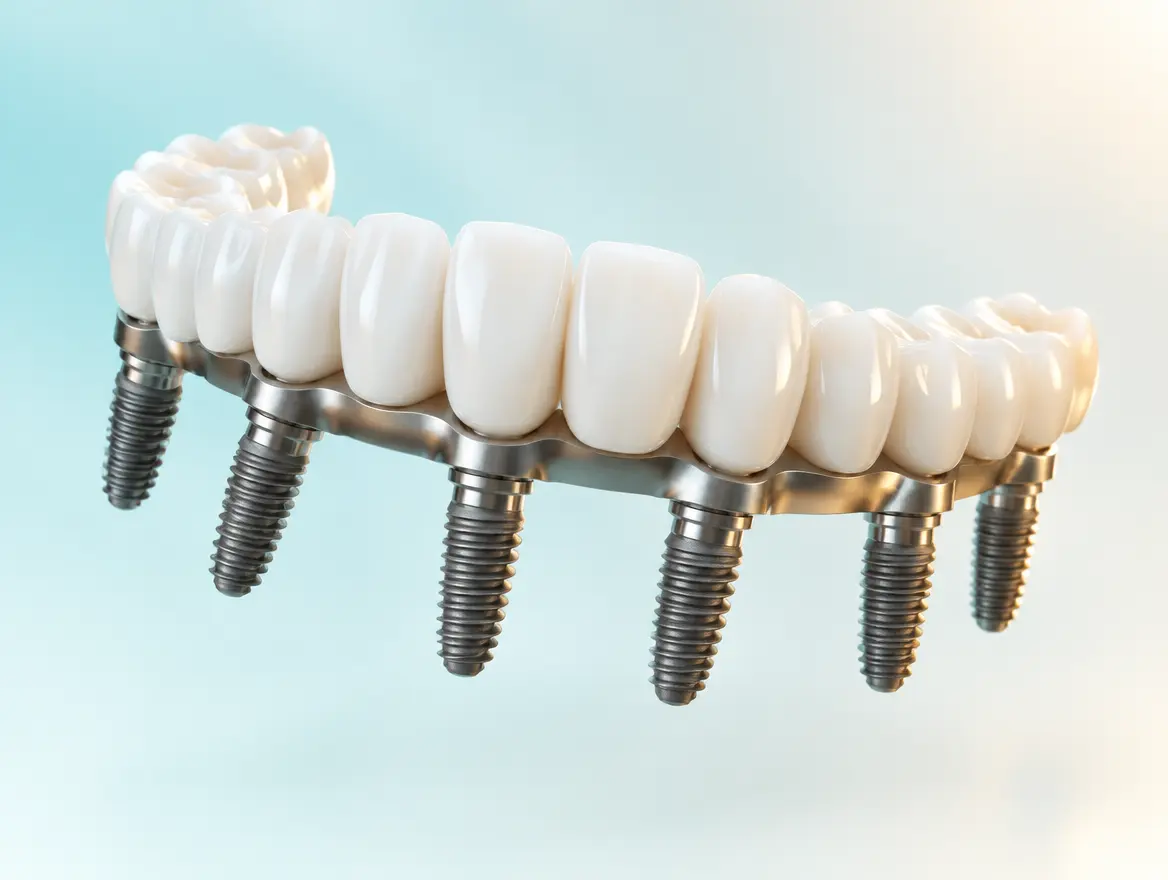
When many teeth are missing, a full-arch option such as full mouth implants may be discussed. Even then, the bite takes time to get used to, and the dentist will advise on building up to firmer foods.
How we approach this at Precious Dental
Patients often tell us they have been living on soup and soft bread for years. When we write a free treatment plan from your photos or X-ray, the dentist thinks about chewing as well as appearance, because which gaps affect eating most is part of choosing what to treat first. During treatment trips in Antalya we explain which foods suit each stage, and our trip guide covers the practical side of eating while you are here. If a back gap is not affecting your chewing and your other teeth are stable, the plan may say it does not need treating at all.
Sources
- Sheiham A et al. The relationship among dental status, nutrient intake, and nutritional status in older people. J Dent Res 2001
- NHS: Malnutrition
- GOV.UK: The Eatwell Guide
- NHS: Vitamin D
- NHS: Eat well
Checked October 2026. Where we give our own view as a clinic, we say so.
Common questions
Do missing teeth really affect nutrition?
They can. Research in older adults finds that people with fewer natural teeth tend to eat less fibre, fruit and vegetables and some vitamins. It is an association: income, health and living alone also affect diet. But chewing difficulty is a common and fixable reason people change what they eat.
What can I eat with no back teeth?
Most foods, if you change the form. Try fish, eggs, soups, stews, casseroles with tender meat, mince, beans and lentils, porridge, yoghurt, cheese, ripe bananas, stewed or tinned fruit and well-cooked vegetables. Cut food small and chew on the side that works best.
Are smoothies good for you if you cannot chew?
They can help you get fruit and vegetables, but blending releases sugars that are harder on teeth and count towards free sugar. Drink them with a meal rather than sipping through the day, and keep to the NHS guide of no more than 150ml of fruit juice or smoothie a day.
Should I take vitamin supplements?
The NHS advises everyone in the UK to consider a daily vitamin D supplement in autumn and winter, and some older adults all year. For other supplements, ask your GP or pharmacist, especially if you take regular medicines. Food first is the usual advice.
Will I be able to eat normally after implants?
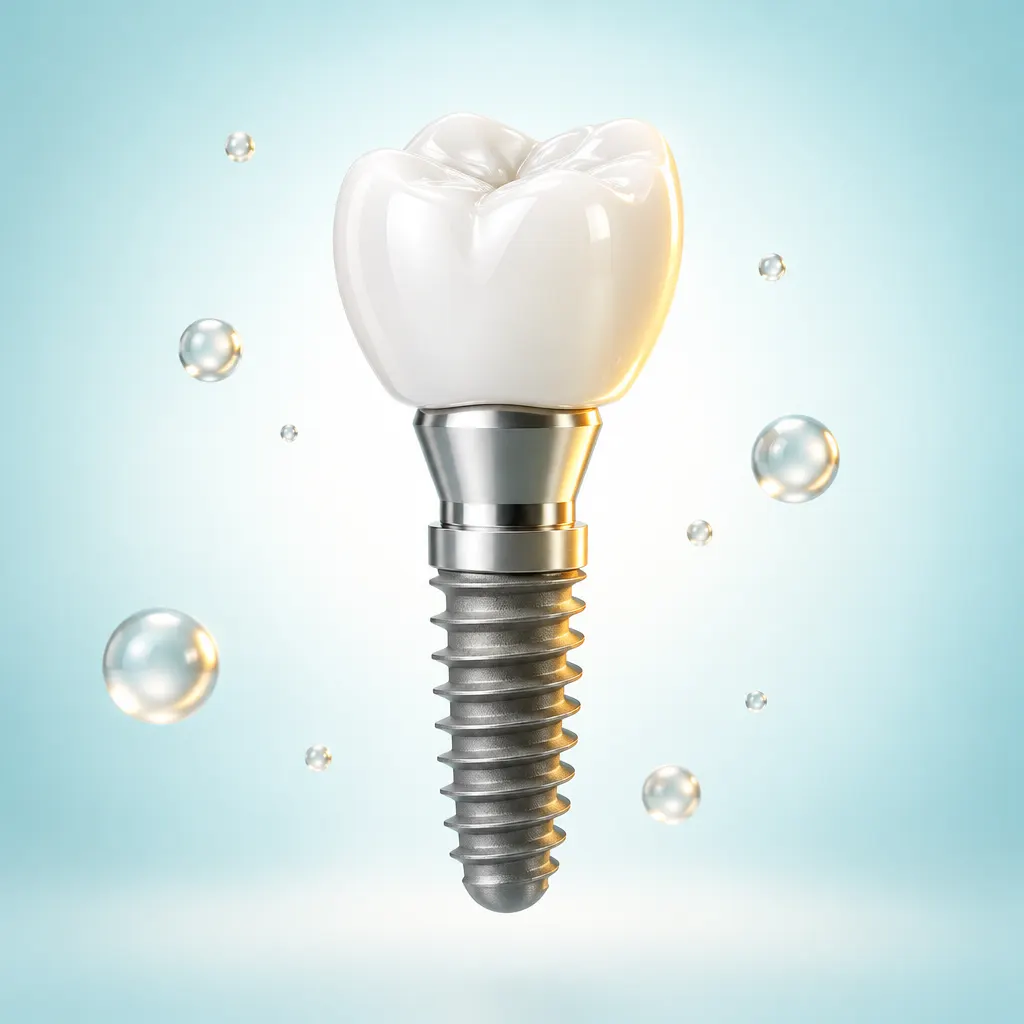
Most people chew much better once implant teeth are fitted and healed. There is a soft-food period after surgery. Our page on dental implants explains the stages.
Ask a Turkish dentist for a free written plan
Phone photos of your smile or an old X-ray are enough. You get the treatment, the implant brand and the price in pounds on paper, with no obligation to book.