How teeth change as you age: what is normal and what needs a dentist
Teeth at 60 do not look or behave like teeth at 25. Some changes are simply years of use. Others are early signs of a problem that is easier to fix now than later.
 Checked for accuracy by Dt. Hüseyin Yavuz Özbek, our implant surgeon · Last updated October 2026
With age, teeth usually become a little shorter and flatter from wear, darker and more yellow as enamel thins, and longer-looking as gums recede. Fine surface lines in enamel and older fillings that have darkened are also common. These are normal. What needs a dentist is pain on biting, new sensitivity that lasts, a tooth that feels rough or broken, bleeding or loose teeth, decay at the gum line, and any ulcer or patch that has not healed in three weeks.
Teeth change as you get older, and much of that change is normal. Over the decades, teeth wear a little shorter, turn more yellow, look longer as gums recede and collect fine surface lines. Fillings from the 1970s and 1980s darken and age. None of that alone means anything is wrong. The changes that do need attention are those that bring pain, bleeding, looseness, broken edges, decay or a sore that will not heal.
This guide goes through the common changes after 50 one by one, explains what causes each, and gives a simple test for when to book a check. It also points to our more detailed posts on specific problems.
Wear: teeth getting shorter and flatter
Every tooth wears a little each year from chewing. By your sixties, the biting edges of the front teeth are usually flatter and the cusps of back teeth lower than they were. This is normal ageing of the bite.
Wear becomes a concern when it is faster than expected. There are three main types. Attrition is tooth-on-tooth wear, often from grinding or clenching at night. Erosion is acid dissolving enamel, from fizzy drinks, fruit juice, wine, frequent fruit or acid reflux. Abrasion is wear from outside, such as brushing too hard or habits like biting pens. The Oral Health Foundation notes that erosion often shows first as smooth, shiny, slightly hollowed areas, and that it is made worse by brushing straight after acidic food or drink.
Signs that wear needs a dentist include front teeth becoming noticeably shorter or see-through at the edges, chips appearing along the edges, sensitivity to cold, or a partner saying you grind at night. A night guard, diet changes or repairs with bonding can help, and severe cases may need crowns.
Colour: teeth turning yellow or darker
Teeth darken with age for two reasons. Enamel slowly thins, and the dentine underneath, which is naturally yellower, becomes thicker and denser as the tooth lays down more of it over the years. So more yellow shows through less white. On top of that, decades of tea, coffee, red wine, curry and, for smokers, tobacco leave surface stains.
This is normal and not a sign of poor health. A single tooth that turns grey or much darker than its neighbours is different. That can mean the nerve inside has died, sometimes years after a knock, and it should be checked with an X-ray even if it does not hurt. Whitening, bonding, veneers or crowns are cosmetic choices for overall yellowing. A hygienist's polish removes surface stain but not the colour within the tooth.
Gums: teeth looking longer
Gums tend to recede gradually with age, exposing more of the tooth and sometimes the root. You may see teeth that look longer, small dark triangles between the teeth, or notches at the gum line. Some recession is common and causes no trouble. But it has several possible causes beyond age, including gum disease, brushing too hard, grinding and crowded teeth, and it brings two risks: sensitivity and root decay.
The NHS lists bleeding gums, bad breath and loose teeth as signs of gum disease. If you notice any of these, see a dentist. Our post on receding gums explains causes and options in detail, and our post on sensitive teeth covers the twinges recession can bring.
Cracks: fine lines or real fractures
Look closely at your front teeth in good light and you may see thin vertical lines in the enamel. These are craze lines. They are extremely common in adults, do not usually go through the tooth and rarely need treatment. They can pick up stain and become more visible over time.
Real cracks are more of a concern. Teeth with large old fillings are weaker, because the filling does not hold the walls of the tooth together the way natural tooth does. A cusp can split off, or a crack can run down into the tooth. The classic sign is a sharp, brief pain when biting on something, often on one particular tooth, and especially when you release the bite. Cracks are often hard to see on X-rays. Our post on cracked tooth syndrome describes how dentists find them and what can be done.
Old fillings and crowns
Many people now in their fifties and sixties had a lot of fillings as children and young adults, before fluoride toothpaste was in wide use. Silver amalgam fillings darken and their edges can wear or chip. Older crowns may show a dark line at the gum as the gum recedes and reveals the metal or root beneath.
An old filling does not need replacing just because of its age. Many amalgam fillings last for decades. Replacement makes sense when a filling is cracked, leaking, has new decay around it or the tooth around it has started to break. Replacing sound fillings removes more healthy tooth each time, so it is not done lightly. If you have many large fillings or several failing crowns, a plan that looks at the whole mouth may make more sense than patching tooth by tooth. Our page on full mouth crowns explains when that is and is not the right approach.
Decay at the gum line
Tooth decay is not only a children's problem. In older adults it often appears along the gum line and on exposed roots, which are softer than enamel. Dry mouth from medicines, frequent snacking and difficulty cleaning because of arthritis or reduced eyesight all raise the risk. The NHS advises brushing twice a day with fluoride toothpaste, spitting rather than rinsing, and cutting down how often you have sugary food and drink. A dentist may prescribe a higher-fluoride toothpaste if you are at higher risk.
Changes you might not link to your teeth
Some age-related changes start outside the mouth but show up in it. Arthritis in the hands can make brushing and cleaning between teeth harder, so plaque builds up in places that used to be clean. A thicker-handled or electric toothbrush can help. Poorer eyesight makes it harder to spot a chipped edge or a red patch. Many common medicines for blood pressure, mood, allergies and bladder problems reduce saliva, which raises the risk of decay; our post on dry mouth explains what helps.
Taste and smell also fade a little with age, and some people add more sugar or salt without noticing. Jaw joints can become stiff or click. None of this is a reason to worry, but it is worth mentioning at your check-up, because the dentist can only allow for what they know about.
Normal or see a dentist? A quick guide
| What you notice | Usually normal ageing | Book a check |
|---|---|---|
| Colour | Gradual all-over yellowing, surface stains | One tooth turning grey or dark |
| Shape | Slightly flatter edges over many years | Edges chipping, thin or see-through, teeth shortening fast |
| Gums | Slight recession, no bleeding | Bleeding, swelling, bad taste, loose teeth |
| Lines in enamel | Fine craze lines, no pain | Sharp pain on biting, a piece breaking off |
| Fillings | Darker but intact, no symptoms | Rough edges, food catching, pain, a hole |
| Sensitivity | Brief twinge with very cold food that settles | Lingering pain, pain at night, pain on heat |
| Soft tissue | Nothing new | Any ulcer, red or white patch, or lump lasting over 3 weeks |
The last row matters most. The NHS advises seeing a dentist or GP about any mouth ulcer that has not healed within three weeks, red or white patches, or an unexplained lump, as these can be early signs of mouth cancer. Most turn out to be harmless, but checking early is what makes a difference.
How we approach this at Precious Dental
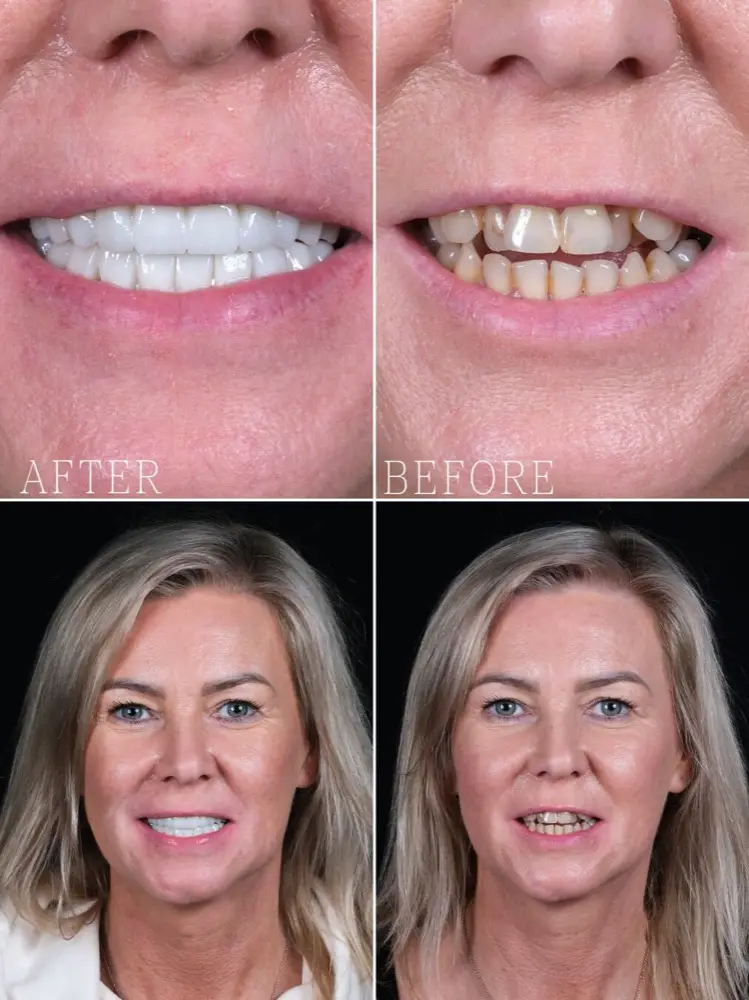
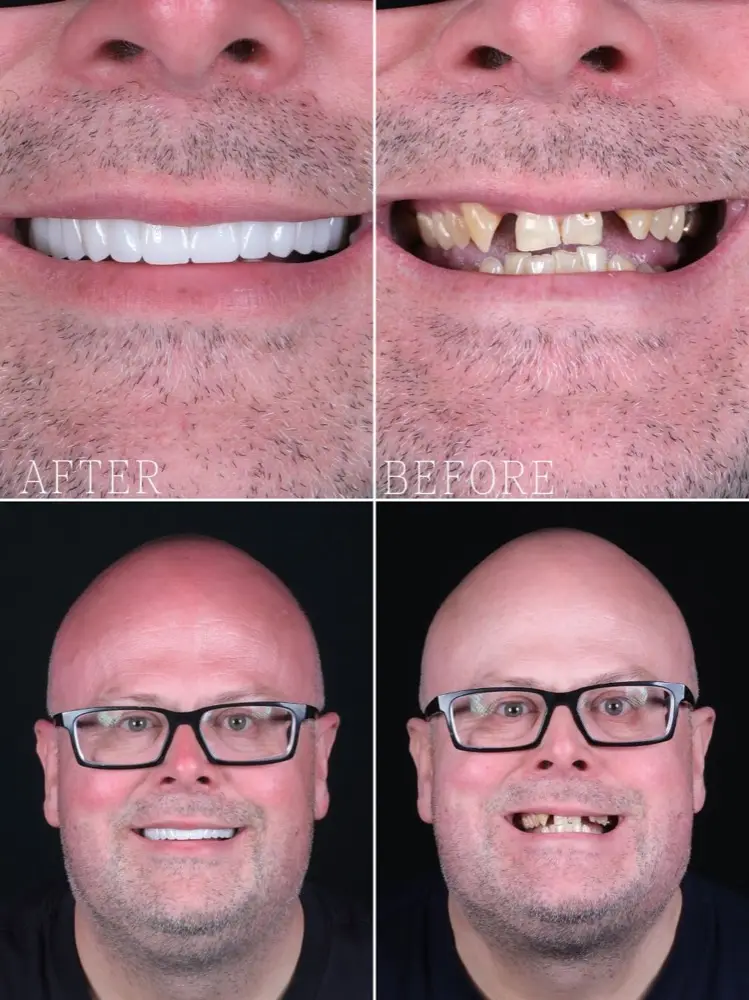
Many people who ask us about "Turkish teeth" are really asking about the changes in this article: teeth that have worn, yellowed or collected old fillings over the years. When you send photos or an X-ray for a free plan, the dentist separates what is cosmetic from what needs treatment, and says which is which. We prefer to keep healthy teeth rather than crown them, so if your teeth are sound and only a little worn or yellow, the plan may suggest whitening, bonding or nothing at all. You can see the full range of treatments we offer before you ask.
Sources
- Oral Health Foundation: Sensitive teeth
- NHS: Tooth decay
- NHS: Gum disease
- NHS: Mouth cancer
- Oral Health Foundation: Dental erosion
- NICE CG19: Dental checks, intervals between oral health reviews
Checked October 2026. Where we give our own view as a clinic, we say so.
Common questions
Why are my teeth getting more yellow with age?
Enamel, the white outer layer, slowly thins with wear, and the dentine underneath becomes thicker and darker over time. More of that yellow colour shows through. Tea, coffee, red wine and smoking add surface staining. This is normal, and whitening or other treatment is a cosmetic choice, not a health need.
Is it normal for teeth to look longer as you get older?
Some gum recession is common with age, so teeth can look longer and you may see dark triangles between them. It is worth a check, because recession can also be caused by gum disease or brushing too hard, and the exposed roots decay more easily.
Do old fillings need replacing just because they are old?
No. A filling that is intact, sealed and not causing problems can be left, even after decades. Fillings are replaced when they crack, leak, have decay around them or the tooth around them breaks. Your dentist checks this at your check-up and on X-rays.
Are cracks in my teeth normal?
Fine surface lines in the enamel, called craze lines, are very common in adults and usually harmless. A crack that causes sharp pain on biting or a tooth that has broken is different and should be seen. See our post on cracked tooth syndrome.
Do I need to see the dentist more often as I get older?
Not necessarily. NICE guidance says the interval between check-ups should be set by your dentist according to your risk, from 3 months up to 2 years for adults. People with gum disease, dry mouth or a lot of dental work may need more frequent visits.
Ask a Turkish dentist for a free written plan
Phone photos of your smile or an old X-ray are enough. You get the treatment, the implant brand and the price in pounds on paper, with no obligation to book.