Missing teeth and confidence: what the research shows
Hiding a smile in photos, covering your mouth when you laugh, choosing food by what you can manage. If missing teeth have changed how you behave around other people, you are far from alone.
 Checked for accuracy by Dt. Hüseyin Yavuz Özbek, our implant surgeon · Last updated October 2026
Research consistently finds that people with missing teeth report a lower oral health-related quality of life, and that the effect is strongest when front teeth are missing or many teeth are gone. People describe avoiding smiling, worrying about speech and eating, and holding back socially. These studies show a link, not that tooth loss alone causes low mood, and replacing teeth helps many people but not every worry. A first step is a proper check of what you have left and what can be done.
Missing teeth affect confidence for a lot of people, and research backs that up. Studies that ask adults about their daily life find that those with missing teeth are more likely to feel self-conscious, avoid smiling, worry about eating in front of others and hold back in conversation. The effect is usually larger when front teeth are missing or when many teeth have gone. If you have started hiding your smile, you are describing something that dentists and researchers hear about all the time.
This article looks at what the studies actually say, why gaps affect people so differently, and some practical first steps. It does not push a particular treatment. For some people the answer is an implant or a bridge; for others it is a better denture, or simply a clear plan and the knowledge that the gap is not causing harm.
What the research says
Researchers measure this using questionnaires on "oral health-related quality of life". These ask about things like pain, difficulty chewing, feeling self-conscious, finding it hard to relax, being embarrassed and avoiding going out. A systematic review by Gerritsen and colleagues in 2010 pulled together 35 studies on tooth loss and these scores. It found that tooth loss was linked with poorer quality of life, and that both the number of teeth lost and where they were in the mouth mattered. Gaps at the front had a bigger effect than gaps at the back.
It is important to read that carefully. These studies show an association. People who have lost many teeth often differ in other ways: they may be older, have more health problems or have had less access to dental care. That makes it hard to say exactly how much of the effect comes from the teeth themselves. What the research does make clear is that the worry people feel is common and real, not something to be brushed aside.
Tooth loss is also less common than it used to be, which can make it feel more isolating. The Adult Dental Health Survey for England, Wales and Northern Ireland found that the share of adults with no natural teeth fell from 37% in 1968 to 6% in 2009. Most people now keep many of their teeth into later life, so being the one with a gap can feel more noticeable than it would have a generation ago.
How gaps affect everyday life
Smiling and photos
The most common change people describe is smiling with the mouth closed or turning away from the camera. Over time this can become a habit that others notice before you do. Some people say they stopped laughing freely, which is a small thing that adds up.
Speaking
Front teeth help shape sounds such as "s", "f", "v" and "th". A gap can cause a slight whistle or lisp. A loose partial denture can click or shift, and the fear of it moving is often worse than what actually happens. Some people speak less in meetings or on the phone because of it.
Eating with other people
Choosing the soft option on a menu, cutting food into small pieces or chewing only on one side are common adjustments. They are sensible, but they can make a meal out feel like a task rather than a pleasure. Our post on eating well with missing teeth covers the food side in more detail.
Work and relationships
Some people describe feeling less confident in job interviews, on dates or when meeting new people. This is personal and varies a great deal. One person with several gaps feels no concern at all; another with one missing tooth feels it every day. Neither reaction is wrong.
Talking about it with people close to you
Many people hide tooth loss even from a partner or close friends, which can make it feel heavier than it is. Saying it out loud often helps. A partner may not have noticed the gap at all, or may have noticed you smiling less and wondered why. Friends of a similar age are often dealing with the same thing: crowns that have failed, partial dentures, implants. You may find that the subject is far more ordinary than it feels from the inside.
If you are a family member reading this for someone else, gentle practical help usually works better than comments on appearance. Offering to come to an appointment, helping to find a dentist, or simply cooking food that is easy to chew can make it easier for someone to take the first step.
Why the same gap bothers people differently
How much a gap matters depends on more than its size. It depends on where it is and whether it shows when you talk or smile, how long it has been there, how it happened, and how much your appearance matters in your work or social life. It also depends on how you feel in general. Someone going through a hard time may find a dental problem much heavier than they would otherwise.
If low mood, anxiety or avoiding people has gone beyond your teeth, it is worth talking to your GP. The NHS Every Mind Matters service has practical help with self-esteem and anxiety. Dental treatment can help with the mouth, but it should not be the only support you have.
Practical first steps
- Find out what you have. A check-up and an X-ray show which teeth are healthy, which are at risk and whether gums need treatment first. Sometimes the problem is smaller than feared; sometimes it is larger and better known now.
- Write down what bothers you most. Is it the look of your smile, chewing, speech or a denture that moves? Your answer guides the choice. A gap that does not show but makes chewing hard needs a different plan from a front tooth that shows in every photo.
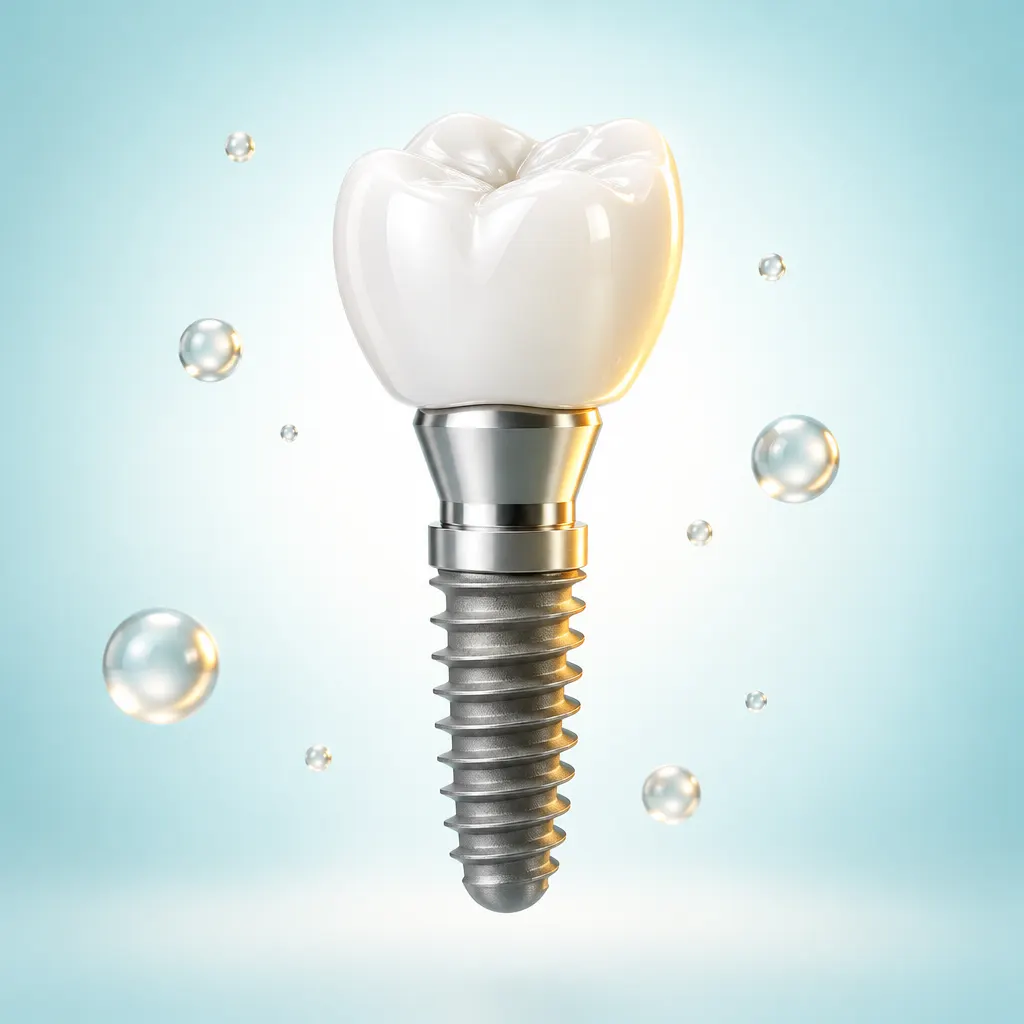
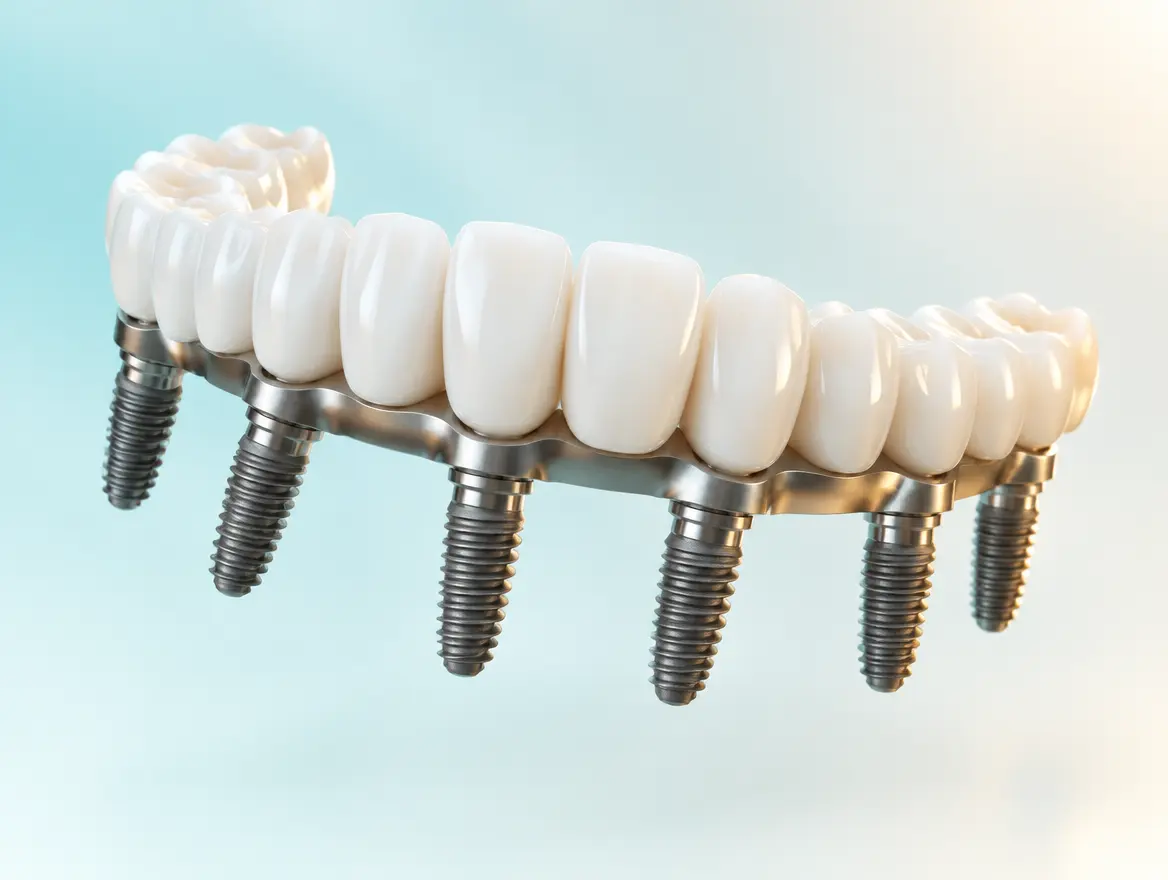
- Ask about all the options. Missing teeth can be replaced with a dental implant, a bridge, a partial denture or, where several teeth are missing in a row, an implant bridge. Each has costs, time and limits. Leaving a back gap alone can also be a reasonable choice.
- Look at quick fixes while you decide. A temporary partial denture can fill a front gap within a short time, which many people find helps while they plan longer-term treatment.
- Look after the teeth you have. Good cleaning and regular check-ups protect what is left, and every healthy tooth gives you more options.
What replacing teeth can and cannot do
Studies of people who have teeth replaced, whether with implants or with well-made dentures, generally show improvements in quality-of-life scores afterwards. Many people describe smiling more, eating more freely and feeling less self-conscious. This is encouraging, but there are limits.
- A replacement needs to fit well and look natural to help. A denture that rubs or moves can make worries worse.
- There is an adjustment period. Speech and chewing usually settle over a few weeks.
- Treatment cannot undo every effect of years of tooth loss, such as bone that has already shrunk.
- Expectations matter. Hoping to smile without thinking about it is realistic for many. Expecting new teeth to change your life entirely is not.
It also helps to be clear with your dentist about what "natural" means to you. Some people want teeth that look like their own did at 40. Others want the brightest white available. A good dentist will tell you honestly what will look right for your face and age.
How we approach this at Precious Dental
Many of the people who contact us mention confidence before they mention teeth. We take that seriously, but we do not sell treatment on it. You can send photos or a recent X-ray by WhatsApp or our form, and a dentist replies with a written plan that explains what each option would involve. If a gap does not need treating, or if keeping a tooth is better than replacing it, the plan says so. The final plan is confirmed after a 3D scan at our clinic in Antalya. You can read how we work and see real results in our patient gallery before deciding anything.
Nervous patients are common, and there is no need to apologise for the state of your teeth. Dentists have seen every kind of mouth. The first step is usually the hardest, and it can be as small as sending a photo.
Sources
- Gerritsen AE et al. Tooth loss and oral health-related quality of life: a systematic review and meta-analysis. Health Qual Life Outcomes 2010
- NHS Digital: Adult Dental Health Survey 2009
- NHS: Every Mind Matters, self-esteem and anxiety
- NHS: Dentures
- Oral Health Foundation: Dental implants
Checked October 2026. Where we give our own view as a clinic, we say so.
Common questions
Is it normal to feel embarrassed about missing teeth?
Yes. Studies of adults with tooth loss find that embarrassment, self-consciousness and avoiding smiling are among the most common effects reported. Feeling this way does not mean you are vain. The mouth is central to how we speak, eat and show emotion.
Will replacing my teeth make me more confident?
Many people report feeling better after missing teeth are replaced, and studies of implant treatment and well-fitting dentures show improvements in quality-of-life scores. It does not fix every worry, and results depend on the treatment fitting well and looking natural. It is reasonable to hope for an improvement, not a different personality.
Do missing teeth change your speech?
They can. Front teeth help form sounds such as s, f, th and v, so gaps there can cause whistling or lisping. Loose dentures can also click or move. Most people adapt over time, and speech often settles within weeks of a replacement being fitted.
Can missing teeth make my face look older?
When many back teeth are lost, the bite can close and the lips and cheeks lose some support, which can make the lower face look shorter. Bone also shrinks where teeth were. Losing one tooth usually makes little difference to the face.
What if I feel too anxious to see a dentist?
Tell the dental team at the start. Most dentists treat nervous patients every day and can go slowly, agree a stop signal and explain each step. Sending photos for a written opinion first can be an easier way in. Our page on sedation explains the options.
Ask a Turkish dentist for a free written plan
Phone photos of your smile or an old X-ray are enough. You get the treatment, the implant brand and the price in pounds on paper, with no obligation to book.